History is often described as a record of the past. Battles fought. Treaties signed. Leaders remembered. But history is rarely as simple as it appears. Decades after the world narrowly avoided another global war, the battlefield begins to shift in a way few leaders expected. The conflict is no longer about territory or weapons. It is about memory. Across nations, historians reopen old archives. Media organizations produce competing interpretations of the past.
Political leaders begin invoking historical grievances to justify modern decisions. The same war is remembered in different ways. One nation teaches sacrifice. Another teaches injustice. A third teaches strategic necessity. Each version contains pieces of truth. But together they create something far more dangerous-competing realities. At universities, historians begin warning that the world may be entering a new kind of conflict: a struggle over who controls the narrative of history itself.
Because when nations believe different versions of the past, they begin imagining different futures. Diplomacy becomes fragile. Political movements rise. Public debates grow more emotional. The fragile historical consensus that once helped maintain peace slowly begins to fracture. And as generations inherit different stories about the same wars, the world starts drifting toward a new kind of confrontation.
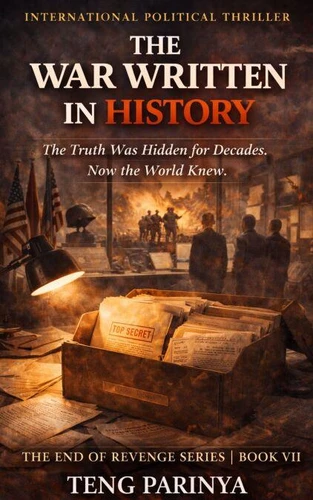
Not a war of armies. A war of narratives. The War Written in History is a gripping geopolitical thriller that explores how memory, identity, and storytelling shape international politics. Through historians, students, political leaders, and ordinary citizens, the novel reveals how the past continues to influence the choices societies make about the future. Because sometimes the most dangerous wars are not fought on battlefields.
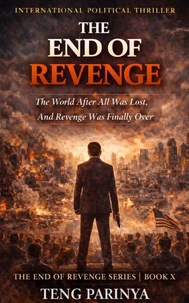
They are written in the stories humanity tells about its past. Book VII of The End of Revenge Series continues the global saga exploring war, memory, and the long shadow of history. The question is no longer how wars begin. The question is who controls the story of why they happened.
History is often described as a record of the past. Battles fought. Treaties signed. Leaders remembered. But history is rarely as simple as it appears. Decades after the world narrowly avoided another global war, the battlefield begins to shift in a way few leaders expected. The conflict is no longer about territory or weapons. It is about memory. Across nations, historians reopen old archives. Media organizations produce competing interpretations of the past.
Political leaders begin invoking historical grievances to justify modern decisions. The same war is remembered in different ways. One nation teaches sacrifice. Another teaches injustice. A third teaches strategic necessity. Each version contains pieces of truth. But together they create something far more dangerous-competing realities. At universities, historians begin warning that the world may be entering a new kind of conflict: a struggle over who controls the narrative of history itself.
Because when nations believe different versions of the past, they begin imagining different futures. Diplomacy becomes fragile. Political movements rise. Public debates grow more emotional. The fragile historical consensus that once helped maintain peace slowly begins to fracture. And as generations inherit different stories about the same wars, the world starts drifting toward a new kind of confrontation.
Not a war of armies. A war of narratives. The War Written in History is a gripping geopolitical thriller that explores how memory, identity, and storytelling shape international politics. Through historians, students, political leaders, and ordinary citizens, the novel reveals how the past continues to influence the choices societies make about the future. Because sometimes the most dangerous wars are not fought on battlefields.
They are written in the stories humanity tells about its past. Book VII of The End of Revenge Series continues the global saga exploring war, memory, and the long shadow of history. The question is no longer how wars begin. The question is who controls the story of why they happened.


 , qui est-ce ?