SOLDES
Jusqu'à -70% sur une sélection d'articles*

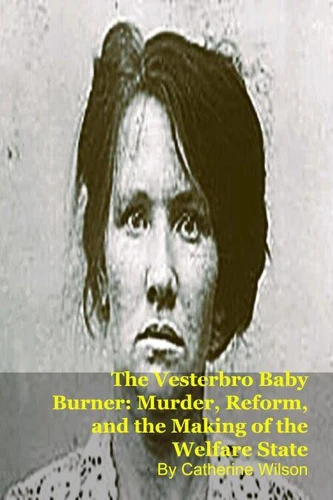
The Vesterbro Baby Burner: Murder, Reform, and the Making of the Welfare State
Par :Formats :
Disponible dans votre compte client Decitre ou Furet du Nord dès validation de votre commande. Le format ePub est :
- Compatible avec une lecture sur My Vivlio (smartphone, tablette, ordinateur)
- Compatible avec une lecture sur liseuses Vivlio
- Pour les liseuses autres que Vivlio, vous devez utiliser le logiciel Adobe Digital Edition. Non compatible avec la lecture sur les liseuses Kindle, Remarkable et Sony
 , qui est-ce ?
Notre partenaire de plateforme de lecture numérique où vous retrouverez l'ensemble de vos ebooks gratuitement
Pour en savoir plus sur nos ebooks, consultez notre aide en ligne ici
C'est si simple ! Lisez votre ebook avec l'app Vivlio sur votre tablette, mobile ou ordinateur :

- FormatePub
- ISBN8232407322
- EAN9798232407322
- Date de parution26/01/2026
- Protection num.pas de protection
- Infos supplémentairesepub
- ÉditeurDraft2Digital
Résumé
The Vesterbro Baby Burner: Murder, Reform, and the Making of the Welfare StateBetween 1913 and 1920, Dagmar Overbye murdered at least nine infants in Copenhagen, operating as an "Angel Maker" who accepted illegitimate children from desperate unwed mothers before strangling and cremating them in her apartment's masonry heater. This meticulously researched historical account traces how one woman's systematic infanticide exposed catastrophic failures in Denmark's unregulated adoption system and absent civil registration, ultimately catalyzing the 1923 Act on Supervision of Foster Children and the 1924 National Population Register that became foundational to the modern Scandinavian welfare state.
Drawing on trial transcripts, psychiatric evaluations, and contemporary sources, this book examines not only Overbye's crimes but the social conditions that enabled them: the economic desperation of working-class women earning barely survivable wages, the complete absence of support for unwed mothers facing social death, and registration systems so inadequate that children could disappear without generating official inquiry.
The narrative explores how Karoline Aagesen's determination to recover her daughter finally exposed crimes that might have continued indefinitely, and how the resulting public horror translated into comprehensive reforms that fundamentally restructured the relationship between Danish families, vulnerable children, and the protective state.
Drawing on trial transcripts, psychiatric evaluations, and contemporary sources, this book examines not only Overbye's crimes but the social conditions that enabled them: the economic desperation of working-class women earning barely survivable wages, the complete absence of support for unwed mothers facing social death, and registration systems so inadequate that children could disappear without generating official inquiry.
The narrative explores how Karoline Aagesen's determination to recover her daughter finally exposed crimes that might have continued indefinitely, and how the resulting public horror translated into comprehensive reforms that fundamentally restructured the relationship between Danish families, vulnerable children, and the protective state.