SOLDES
Jusqu'à -70% sur une sélection d'articles*

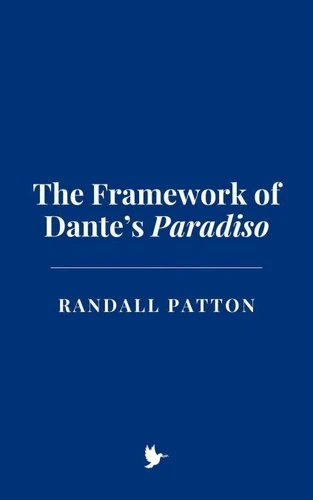
The Theological Framework of Dante’s Paradiso
Par :Formats :
Disponible dans votre compte client Decitre ou Furet du Nord dès validation de votre commande. Le format ePub est :
- Compatible avec une lecture sur My Vivlio (smartphone, tablette, ordinateur)
- Compatible avec une lecture sur liseuses Vivlio
- Pour les liseuses autres que Vivlio, vous devez utiliser le logiciel Adobe Digital Edition. Non compatible avec la lecture sur les liseuses Kindle, Remarkable et Sony
 , qui est-ce ?
Notre partenaire de plateforme de lecture numérique où vous retrouverez l'ensemble de vos ebooks gratuitement
Pour en savoir plus sur nos ebooks, consultez notre aide en ligne ici
C'est si simple ! Lisez votre ebook avec l'app Vivlio sur votre tablette, mobile ou ordinateur :

- FormatePub
- ISBN8230489634
- EAN9798230489634
- Date de parution17/02/2025
- Protection num.pas de protection
- Infos supplémentairesepub
- ÉditeurIndependently Published
Résumé
Dante Alighieri's Divine Comedy is one of the greatest literary works ever written, and Paradiso, the third and final cantica, represents the culmination of his journey through the realms of the afterlife. Paradiso is not merely a spiritual journey but a work of profound philosophical and theological inquiry that continues to captivate readers and scholars more than seven centuries after its creation.
Written between 1308 and 1320, the Divine Comedy emerges from a tumultuous period in Italian and European history, marked by political strife, religious uncertainty, and profound intellectual development. Dante's work stands as a reflection of the medieval synthesis of classical philosophy and Christian doctrine, drawing upon a wide range of sources from Aristotle to Augustine, and from Virgil to Aquinas.
Through Paradiso, Dante attempts to navigate the divine realm, offering a vision of Heaven that is both deeply personal and universally symbolic, where the soul's ascent toward God is portrayed as the ultimate goal of human existence.
Written between 1308 and 1320, the Divine Comedy emerges from a tumultuous period in Italian and European history, marked by political strife, religious uncertainty, and profound intellectual development. Dante's work stands as a reflection of the medieval synthesis of classical philosophy and Christian doctrine, drawing upon a wide range of sources from Aristotle to Augustine, and from Virgil to Aquinas.
Through Paradiso, Dante attempts to navigate the divine realm, offering a vision of Heaven that is both deeply personal and universally symbolic, where the soul's ascent toward God is portrayed as the ultimate goal of human existence.
A propos de Randall Patton


2,99 €

2,99 €

2,99 €


2,99 €


2,99 €
