SOLDES
Jusqu'à -70% sur une sélection d'articles*

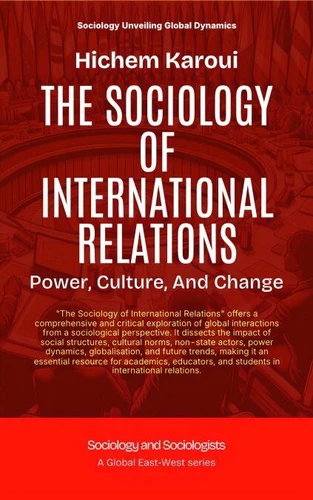
The Sociology Of International Relations: Power, Culture, And Change. Sociology and Sociologists
Par :Formats :
Disponible dans votre compte client Decitre ou Furet du Nord dès validation de votre commande. Le format ePub protégé est :
- Compatible avec une lecture sur My Vivlio (smartphone, tablette, ordinateur)
- Compatible avec une lecture sur liseuses Vivlio
- Pour les liseuses autres que Vivlio, vous devez utiliser le logiciel Adobe Digital Edition. Non compatible avec la lecture sur les liseuses Kindle, Remarkable et Sony
- Non compatible avec un achat hors France métropolitaine
 , qui est-ce ?
Notre partenaire de plateforme de lecture numérique où vous retrouverez l'ensemble de vos ebooks gratuitement
Pour en savoir plus sur nos ebooks, consultez notre aide en ligne ici
C'est si simple ! Lisez votre ebook avec l'app Vivlio sur votre tablette, mobile ou ordinateur :

- FormatePub
- ISBN8230033752
- EAN9798230033752
- Date de parution15/03/2025
- Protection num.Adobe DRM
- Infos supplémentairesepub
- ÉditeurIndependently Published
Résumé
This comprehensive book offers a unique lens through which we can understand the complexities of global interactions and the social dynamics that underpin them. It explores the sociological aspects of international relations, examining how social structures, cultural norms, and identities shape the global political landscape. It challenges traditional state-centric views by emphasising the roles of non-state actors and the social contexts that influence international politics.
Designed to engage academics, educators, and students alike, this book provides a rich and nuanced understanding of how social forces interact with political realities on the international stage. In exploring the sociology of international relations, readers are invited to consider how international norms, values, and identities are socially constructed and how these constructs impact global affairs.
One key concept in this exploration is 'constructivism', a sociological theory that elucidates how shared beliefs and collective identities shape state behaviour, influence policy-making, and contribute to the emergence of international institutions. By examining how cultural norms and social identities are negotiated and contested within international contexts, this work provides insights into global politics' fluid and dynamic nature.
The book also addresses the significant role of non-state actors in international relations, shedding light on how multinational corporations, non-governmental organisations, and transnational advocacy networks contribute to global governance. It explores how these actors interact with states and influence international norms, often acting as catalysts for human rights, environmental protection, and global health change.
By highlighting the impact of non-state actors, this book broadens the scope of international relations and challenges traditional notions of power and authority in the international system. A critical analysis of power dynamics and inequality is central to this book's exploration of the sociology of international relations. It examines how social hierarchies based on class, gender, race, and ethnicity influence global interactions and perpetuate disparities in power and resources.
Through the lens of critical theory, the book interrogates how these inequalities are maintained and contested within the international system, offering perspectives on addressing and rectifying these imbalances. This critical approach encourages readers to consider the ethical implications of international policies and the potential for transformative change. The book also explores the intersection of globalisation and international relations, considering how international politics shape and shape global economic and social processes.
It examines how globalisation has facilitated the movement of goods, people, and ideas across borders, creating new opportunities and challenges for states and societies. By analysing the impact of globalisation on cultural identities and social relations, the book provides a comprehensive understanding of the contemporary international landscape and the forces driving global change. This work culminates in discussing the future of international relations through a sociological lens, exploring emerging trends and potential developments in global politics.
It considers how new social movements, technological advancements, and shifting power dynamics may influence the international system in the coming years. By offering a forward-looking perspective, the book equips readers with the tools to anticipate and understand the evolving nature of international relations, ensuring that readers feel prepared and proactive.
Designed to engage academics, educators, and students alike, this book provides a rich and nuanced understanding of how social forces interact with political realities on the international stage. In exploring the sociology of international relations, readers are invited to consider how international norms, values, and identities are socially constructed and how these constructs impact global affairs.
One key concept in this exploration is 'constructivism', a sociological theory that elucidates how shared beliefs and collective identities shape state behaviour, influence policy-making, and contribute to the emergence of international institutions. By examining how cultural norms and social identities are negotiated and contested within international contexts, this work provides insights into global politics' fluid and dynamic nature.
The book also addresses the significant role of non-state actors in international relations, shedding light on how multinational corporations, non-governmental organisations, and transnational advocacy networks contribute to global governance. It explores how these actors interact with states and influence international norms, often acting as catalysts for human rights, environmental protection, and global health change.
By highlighting the impact of non-state actors, this book broadens the scope of international relations and challenges traditional notions of power and authority in the international system. A critical analysis of power dynamics and inequality is central to this book's exploration of the sociology of international relations. It examines how social hierarchies based on class, gender, race, and ethnicity influence global interactions and perpetuate disparities in power and resources.
Through the lens of critical theory, the book interrogates how these inequalities are maintained and contested within the international system, offering perspectives on addressing and rectifying these imbalances. This critical approach encourages readers to consider the ethical implications of international policies and the potential for transformative change. The book also explores the intersection of globalisation and international relations, considering how international politics shape and shape global economic and social processes.
It examines how globalisation has facilitated the movement of goods, people, and ideas across borders, creating new opportunities and challenges for states and societies. By analysing the impact of globalisation on cultural identities and social relations, the book provides a comprehensive understanding of the contemporary international landscape and the forces driving global change. This work culminates in discussing the future of international relations through a sociological lens, exploring emerging trends and potential developments in global politics.
It considers how new social movements, technological advancements, and shifting power dynamics may influence the international system in the coming years. By offering a forward-looking perspective, the book equips readers with the tools to anticipate and understand the evolving nature of international relations, ensuring that readers feel prepared and proactive.
A propos de Hichem Karoui


The Abraham Protocol
E-book
21,49 €

21,49 €

17,49 €



Le Protocole d'Abraham
E-book
16,99 €

Le cartouche d'Isis
E-book
23,49 €


The Cartouche of Isis
E-book
24,49 €

Le Ministère des Utopies
E-book
24,99 €

The Ministry of Utopias
E-book
24,99 €