SOLDES
Jusqu'à -70% sur une sélection d'articles*

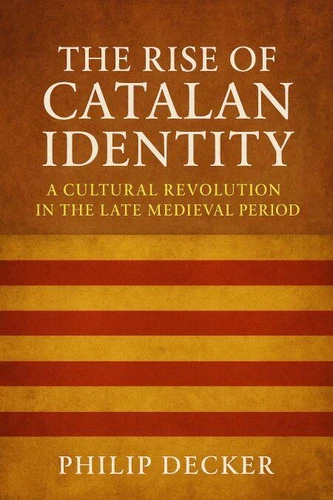
The Rise of Catalan Identity: A Cultural Revolution in the Late Medieval Period
Par :Formats :
Disponible dans votre compte client Decitre ou Furet du Nord dès validation de votre commande. Le format ePub est :
- Compatible avec une lecture sur My Vivlio (smartphone, tablette, ordinateur)
- Compatible avec une lecture sur liseuses Vivlio
- Pour les liseuses autres que Vivlio, vous devez utiliser le logiciel Adobe Digital Edition. Non compatible avec la lecture sur les liseuses Kindle, Remarkable et Sony
 , qui est-ce ?
Notre partenaire de plateforme de lecture numérique où vous retrouverez l'ensemble de vos ebooks gratuitement
Pour en savoir plus sur nos ebooks, consultez notre aide en ligne ici
C'est si simple ! Lisez votre ebook avec l'app Vivlio sur votre tablette, mobile ou ordinateur :

- FormatePub
- ISBN8230132745
- EAN9798230132745
- Date de parution15/04/2025
- Protection num.pas de protection
- Infos supplémentairesepub
- ÉditeurIndependently Published
Résumé
"The Rise of Catalan Identity: A Cultural Revolution in the Late Medieval Period" by Philip Decker explores the dynamic evolution of Catalan identity during a period of profound political, cultural, and social transformation. The book traces the development of Catalonia from a region within the Crown of Aragon to a distinct political and cultural entity, examining the forces that led to the consolidation of its unique language, legal traditions, and cultural practices.
Decker delves into the effects of the Corts Catalanes, feudalism, the rise of Catalan trade and maritime power, and the Catalan Renaissance (Renaixença)-all of which played crucial roles in shaping the region's identity. Through an analysis of key historical events, such as the integration into the Crown of Aragon and the political struggles of the Catalan elite, the book offers a nuanced understanding of how Catalonia's distinct identity emerged and transformed in the late medieval period.
Decker also highlights the challenges faced by Catalonia in its relationship with the Spanish monarchy, marking a pivotal period in the long history of Catalan nationalism. This work will appeal to scholars of medieval history, cultural studies, and political history, offering a comprehensive examination of the roots of Catalan identity and its enduring legacy.
Decker delves into the effects of the Corts Catalanes, feudalism, the rise of Catalan trade and maritime power, and the Catalan Renaissance (Renaixença)-all of which played crucial roles in shaping the region's identity. Through an analysis of key historical events, such as the integration into the Crown of Aragon and the political struggles of the Catalan elite, the book offers a nuanced understanding of how Catalonia's distinct identity emerged and transformed in the late medieval period.
Decker also highlights the challenges faced by Catalonia in its relationship with the Spanish monarchy, marking a pivotal period in the long history of Catalan nationalism. This work will appeal to scholars of medieval history, cultural studies, and political history, offering a comprehensive examination of the roots of Catalan identity and its enduring legacy.
A propos de Philip Decker


2,99 €


2,99 €
2,99 €



2,99 €

2,99 €


2,99 €