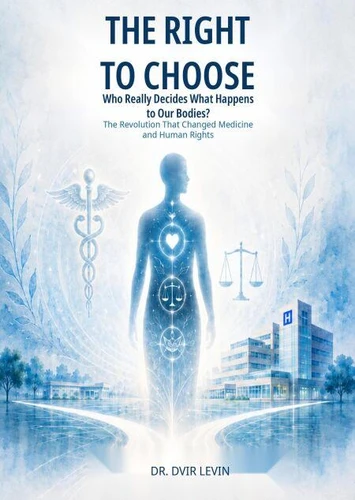
The Right to Choose examines the transformation of modern medicine from a paternalistic model, in which physicians largely determined the course of treatment, toward a rights-based approach centered on patient autonomy. Combining history, medical ethics, law, and health policy, the book explores informed consent, refusal of treatment, shared decision-making, bodily autonomy, and the complex relationship between patients, healthcare professionals, families, and the state.
With particular attention to developments in Israel alongside international perspectives, the book asks a fundamental question: Who should ultimately decide what happens to our bodies?Written for healthcare professionals, nurses, physicians, students, policymakers, legal professionals, and readers interested in bioethics and patient rights.
The Right to Choose examines the transformation of modern medicine from a paternalistic model, in which physicians largely determined the course of treatment, toward a rights-based approach centered on patient autonomy. Combining history, medical ethics, law, and health policy, the book explores informed consent, refusal of treatment, shared decision-making, bodily autonomy, and the complex relationship between patients, healthcare professionals, families, and the state.
With particular attention to developments in Israel alongside international perspectives, the book asks a fundamental question: Who should ultimately decide what happens to our bodies?Written for healthcare professionals, nurses, physicians, students, policymakers, legal professionals, and readers interested in bioethics and patient rights.

 , qui est-ce ?