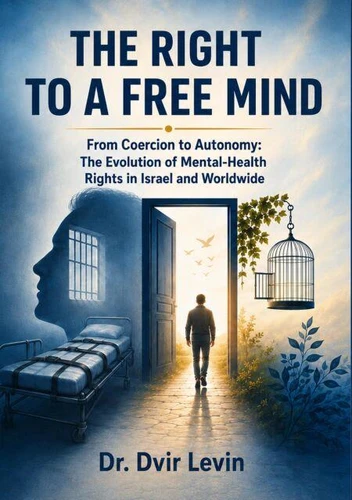
The Right to a Free Mind examines the evolving relationship between mental healthcare, individual liberty, and human rights. Moving from historically coercive approaches toward contemporary models based on autonomy and dignity, the book explores involuntary hospitalization, compulsory treatment, decision-making capacity, legal safeguards, community-based care, and the rights of people receiving mental health services.
Through perspectives drawn from healthcare, ethics, law, and public policy, the book considers the difficult balance between protecting individuals during periods of severe mental distress and preserving their fundamental rights to freedom, dignity, and self-determination. Written for mental health professionals, nurses, physicians, students, policymakers, legal professionals, and readers interested in psychiatry, bioethics, human rights, and mental health law.
The Right to a Free Mind examines the evolving relationship between mental healthcare, individual liberty, and human rights. Moving from historically coercive approaches toward contemporary models based on autonomy and dignity, the book explores involuntary hospitalization, compulsory treatment, decision-making capacity, legal safeguards, community-based care, and the rights of people receiving mental health services.
Through perspectives drawn from healthcare, ethics, law, and public policy, the book considers the difficult balance between protecting individuals during periods of severe mental distress and preserving their fundamental rights to freedom, dignity, and self-determination. Written for mental health professionals, nurses, physicians, students, policymakers, legal professionals, and readers interested in psychiatry, bioethics, human rights, and mental health law.

 , qui est-ce ?