SOLDES
Jusqu'à -70% sur une sélection d'articles*

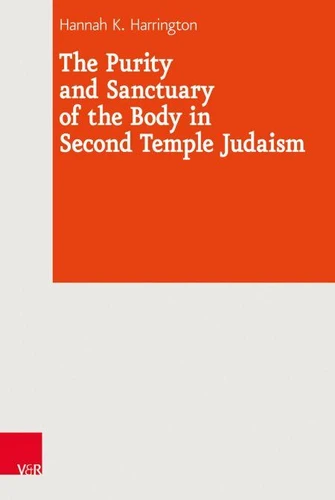
The Purity and Sanctuary of the Body in Second Temple Judaism
Par :Formats :
Disponible dans votre compte client Decitre ou Furet du Nord dès validation de votre commande. Le format PDF est :
- Compatible avec une lecture sur My Vivlio (smartphone, tablette, ordinateur)
- Compatible avec une lecture sur liseuses Vivlio
- Pour les liseuses autres que Vivlio, vous devez utiliser le logiciel Adobe Digital Edition. Non compatible avec la lecture sur les liseuses Kindle, Remarkable et Sony
 , qui est-ce ?
Notre partenaire de plateforme de lecture numérique où vous retrouverez l'ensemble de vos ebooks gratuitement
Pour en savoir plus sur nos ebooks, consultez notre aide en ligne ici
C'est si simple ! Lisez votre ebook avec l'app Vivlio sur votre tablette, mobile ou ordinateur :

- Nombre de pages419
- FormatPDF
- ISBN978-3-647-57128-7
- EAN9783647571287
- Date de parution12/08/2019
- Protection num.pas de protection
- Taille8 Mo
- Infos supplémentairespdf
- ÉditeurVandenhoeck & Ruprecht
Résumé
This study traces the emergence of the concept of the body as a sanctuary from its biblical roots to its expressions in late Second Temple Judaism. Harrington's hypothesis is that the destruction of the first Jerusalem temple was a catalyst for a new reality vis-à-vis the temple and the emergence of increased emphasis on the holiness of the people along with concomitant standards of purity in a certain stream of Judaism.
The study brings into relief elements of this attitude from exilic texts, e.g. Ezekiel, to Ezra-Nehemiah, the Dead Sea Scrolls and other Second Temple Jewish texts, including early Jesus and Pauline traditions. The goal is to provide a history of the concept of the body-cum-temple metaphor which comes to its fullest expression in the letters of Paul to the Corinthians. The concept of the body as a sanctuary as it comes to fruition in late second temple Judaism must be understood within the conceptual world of Jewish holiness of the time.
The metaphor of the temple provides a frame of reference but only a close analysis of the concepts of holiness, purity, and impurity and the dynamics between them can provide depth and distinction. Of particular importance, critical to proper understanding of the temple metaphor, are the notions of the elect, holy status of Israel and its possible desecration by wrongful sexual relations, the loss of the temple and the ripple effect of creating at least temporary substitutes for processes of the cult, the widespread concern in Second Temple Judaism for ritual purity in support of greater holiness, and a desire among Jews for the residence and agency of the spirit of holiness.
The study brings into relief elements of this attitude from exilic texts, e.g. Ezekiel, to Ezra-Nehemiah, the Dead Sea Scrolls and other Second Temple Jewish texts, including early Jesus and Pauline traditions. The goal is to provide a history of the concept of the body-cum-temple metaphor which comes to its fullest expression in the letters of Paul to the Corinthians. The concept of the body as a sanctuary as it comes to fruition in late second temple Judaism must be understood within the conceptual world of Jewish holiness of the time.
The metaphor of the temple provides a frame of reference but only a close analysis of the concepts of holiness, purity, and impurity and the dynamics between them can provide depth and distinction. Of particular importance, critical to proper understanding of the temple metaphor, are the notions of the elect, holy status of Israel and its possible desecration by wrongful sexual relations, the loss of the temple and the ripple effect of creating at least temporary substitutes for processes of the cult, the widespread concern in Second Temple Judaism for ritual purity in support of greater holiness, and a desire among Jews for the residence and agency of the spirit of holiness.