SOLDES
Jusqu'à -70% sur une sélection d'articles*

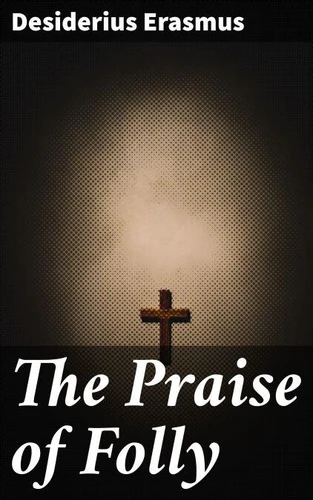
The Praise of Folly. A Satirical Masterpiece of Renaissance Critique and Humor
Par : ,Formats :
Disponible dans votre compte client Decitre ou Furet du Nord dès validation de votre commande. Le format ePub est :
- Compatible avec une lecture sur My Vivlio (smartphone, tablette, ordinateur)
- Compatible avec une lecture sur liseuses Vivlio
- Pour les liseuses autres que Vivlio, vous devez utiliser le logiciel Adobe Digital Edition. Non compatible avec la lecture sur les liseuses Kindle, Remarkable et Sony
 , qui est-ce ?
Notre partenaire de plateforme de lecture numérique où vous retrouverez l'ensemble de vos ebooks gratuitement
Pour en savoir plus sur nos ebooks, consultez notre aide en ligne ici
C'est si simple ! Lisez votre ebook avec l'app Vivlio sur votre tablette, mobile ou ordinateur :

- Nombre de pages168
- FormatePub
- ISBN406-4-06-609034-0
- EAN4064066090340
- Date de parution16/03/2020
- Protection num.Digital Watermarking
- Taille499 Ko
- Infos supplémentairesepub
- ÉditeurGOOD PRESS
Résumé
Desiderius Erasmus's "The Praise of Folly" stands as a seminal work in Renaissance literature, intertwining humorous satire with profound philosophical inquiry. Composed in 1509, this essay employs a voice of playful irony through the character of Folly, who extols the virtues of foolishness in contrast to the pervasive seriousness of learned scholars and religious leaders. Erasmus's deft use of rhetorical devices and his crisp, accessible style make this text both entertaining and intellectually stimulating, reflecting the humanist ideals of his time while critiquing the follies of society, religion, and politics.
Erasmus, a Dutch scholar and theologian, significantly shaped the intellectual landscape of the Renaissance. His commitment to education, language, and moral philosophy deeply influenced his writing. Raised in the aftermath of the late medieval period, Erasmus witnessed the rising tide of humanism, prompting him to explore the intersections of faith and reason, and to criticize the dogmatism prevalent within the Church.
His extensive travels and dialog with various intellectual currents undoubtedly informed the incisive wit and critical lens found in this work. For readers intrigued by the confluence of humor and critique, "The Praise of Folly" offers a rich exploration of human nature and societal norms. It is a must-read for anyone interested in the foundations of modern thought and the Renaissance, appealing to scholars, students, and casual readers alike.
Erasmus, a Dutch scholar and theologian, significantly shaped the intellectual landscape of the Renaissance. His commitment to education, language, and moral philosophy deeply influenced his writing. Raised in the aftermath of the late medieval period, Erasmus witnessed the rising tide of humanism, prompting him to explore the intersections of faith and reason, and to criticize the dogmatism prevalent within the Church.
His extensive travels and dialog with various intellectual currents undoubtedly informed the incisive wit and critical lens found in this work. For readers intrigued by the confluence of humor and critique, "The Praise of Folly" offers a rich exploration of human nature and societal norms. It is a must-read for anyone interested in the foundations of modern thought and the Renaissance, appealing to scholars, students, and casual readers alike.
A propos de Desiderius Erasmus


Das Lob der Narrheit
E-book
5,49 €

Against War
E-book
2,99 €
In Praise of Folly
E-book
4,99 €


The Colloquies, Volume 1
E-book
3,99 €
The Colloquies, Volume 2
E-book
3,99 €

The Complaint of Peace
E-book
0,99 €
The Praise of Folly
E-book
1,99 €
1,99 €