SOLDES
Jusqu'à -70% sur une sélection d'articles*

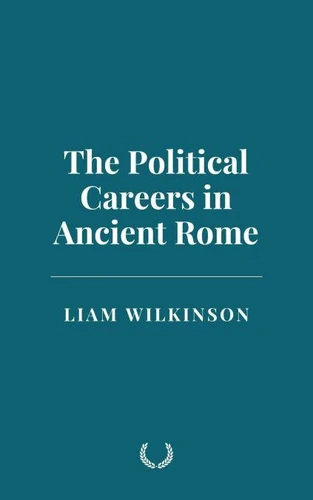
The Political Careers in Ancient Rome
Par :Formats :
Disponible dans votre compte client Decitre ou Furet du Nord dès validation de votre commande. Le format ePub est :
- Compatible avec une lecture sur My Vivlio (smartphone, tablette, ordinateur)
- Compatible avec une lecture sur liseuses Vivlio
- Pour les liseuses autres que Vivlio, vous devez utiliser le logiciel Adobe Digital Edition. Non compatible avec la lecture sur les liseuses Kindle, Remarkable et Sony
 , qui est-ce ?
Notre partenaire de plateforme de lecture numérique où vous retrouverez l'ensemble de vos ebooks gratuitement
Pour en savoir plus sur nos ebooks, consultez notre aide en ligne ici
C'est si simple ! Lisez votre ebook avec l'app Vivlio sur votre tablette, mobile ou ordinateur :

- FormatePub
- ISBN8230675389
- EAN9798230675389
- Date de parution04/02/2025
- Protection num.pas de protection
- Infos supplémentairesepub
- ÉditeurIndependently Published
Résumé
This book delves into the political, social, and cultural evolution of Ancient Rome, examining its transition from a republic to an empire and its eventual decline. Spanning over the early foundations of Roman governance, through the rise and fall of its republican institutions, to the imperial reforms and crises of the late empire, the book explores the various forces that shaped Roman political systems.
It covers the intricate workings of Roman institutions such as the Senate, the consulship, the tribunate, and the dictatorship, highlighting the role of political factionalism, corruption, and military power in the disintegration of the Republic. The narrative progresses through the reign of Augustus, examining his careful consolidation of power and the establishment of the Pax Romana, followed by the crises of the third century CE and the eventual division of the Roman Empire into East and West.
The book then considers the transformation of the empire in the Middle Ages, where Rome's legacy-particularly its legal, architectural, and cultural contributions-continued to shape the political landscape of medieval Europe. The rise of the Byzantine Empire and the eventual influence of Rome in the Renaissance period are also explored, showcasing how Roman ideals and institutions endured, adapted, and redefined European civilization long after the fall of the Western Roman Empire.
By tracing these critical moments and themes, the book provides a comprehensive view of the forces that defined Roman history, its legacy, and its influence on the development of the Western world.
It covers the intricate workings of Roman institutions such as the Senate, the consulship, the tribunate, and the dictatorship, highlighting the role of political factionalism, corruption, and military power in the disintegration of the Republic. The narrative progresses through the reign of Augustus, examining his careful consolidation of power and the establishment of the Pax Romana, followed by the crises of the third century CE and the eventual division of the Roman Empire into East and West.
The book then considers the transformation of the empire in the Middle Ages, where Rome's legacy-particularly its legal, architectural, and cultural contributions-continued to shape the political landscape of medieval Europe. The rise of the Byzantine Empire and the eventual influence of Rome in the Renaissance period are also explored, showcasing how Roman ideals and institutions endured, adapted, and redefined European civilization long after the fall of the Western Roman Empire.
By tracing these critical moments and themes, the book provides a comprehensive view of the forces that defined Roman history, its legacy, and its influence on the development of the Western world.