SOLDES
Jusqu'à -70% sur une sélection d'articles*

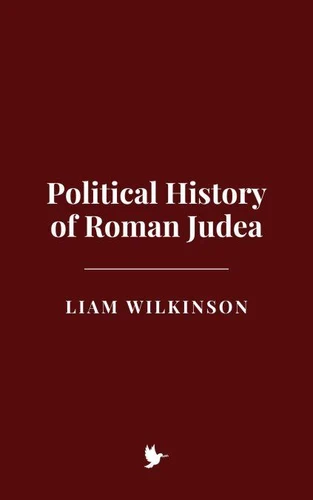
Political History of Roman Judea
Par :Formats :
Disponible dans votre compte client Decitre ou Furet du Nord dès validation de votre commande. Le format ePub est :
- Compatible avec une lecture sur My Vivlio (smartphone, tablette, ordinateur)
- Compatible avec une lecture sur liseuses Vivlio
- Pour les liseuses autres que Vivlio, vous devez utiliser le logiciel Adobe Digital Edition. Non compatible avec la lecture sur les liseuses Kindle, Remarkable et Sony
 , qui est-ce ?
Notre partenaire de plateforme de lecture numérique où vous retrouverez l'ensemble de vos ebooks gratuitement
Pour en savoir plus sur nos ebooks, consultez notre aide en ligne ici
C'est si simple ! Lisez votre ebook avec l'app Vivlio sur votre tablette, mobile ou ordinateur :

- FormatePub
- ISBN8230930617
- EAN9798230930617
- Date de parution07/02/2025
- Protection num.pas de protection
- Infos supplémentairesepub
- ÉditeurIndependently Published
Résumé
This book delves into the intricate history of Roman Judea, examining the political, religious, and cultural transformation of the Jewish people under Roman rule from the conquest of Judea in 63 BCE to the aftermath of the Bar Kokhba Revolt in 136 CE. Through an exploration of key events such as the destruction of the Second Temple in 70 CE, the rise of messianic movements, the complex relationship between Roman authorities and Jewish religious institutions, and the enduring impact of Romanization, the narrative offers a comprehensive understanding of how Roman imperialism shaped Jewish identity, culture, and religious practice.
Drawing on primary sources such as the works of Josephus, the Talmud, and other contemporary writings, the book analyzes the challenges faced by the Jewish people during this period, including their resistance to Roman control and their eventual adaptation to life in the diaspora. It highlights the intellectual and theological shifts that occurred in the wake of the destruction of the Temple, which led to the emergence of Rabbinic Judaism and the redefinition of Jewish identity beyond political sovereignty.
Additionally, the book examines the cultural dynamics between Jewish tradition and Roman imperial structures, the lasting effects of Roman law, and the intellectual legacy that would influence both Jewish and Christian thought in the centuries that followed.
Drawing on primary sources such as the works of Josephus, the Talmud, and other contemporary writings, the book analyzes the challenges faced by the Jewish people during this period, including their resistance to Roman control and their eventual adaptation to life in the diaspora. It highlights the intellectual and theological shifts that occurred in the wake of the destruction of the Temple, which led to the emergence of Rabbinic Judaism and the redefinition of Jewish identity beyond political sovereignty.
Additionally, the book examines the cultural dynamics between Jewish tradition and Roman imperial structures, the lasting effects of Roman law, and the intellectual legacy that would influence both Jewish and Christian thought in the centuries that followed.