SOLDES
Jusqu'à -70% sur une sélection d'articles*

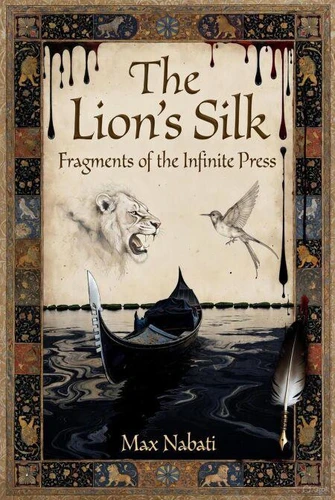
The Lion’s Silk: Fragments of the Infinite Press. The Lion's Silk, #3
Par :Formats :
Disponible dans votre compte client Decitre ou Furet du Nord dès validation de votre commande. Le format ePub est :
- Compatible avec une lecture sur My Vivlio (smartphone, tablette, ordinateur)
- Compatible avec une lecture sur liseuses Vivlio
- Pour les liseuses autres que Vivlio, vous devez utiliser le logiciel Adobe Digital Edition. Non compatible avec la lecture sur les liseuses Kindle, Remarkable et Sony
 , qui est-ce ?
Notre partenaire de plateforme de lecture numérique où vous retrouverez l'ensemble de vos ebooks gratuitement
Pour en savoir plus sur nos ebooks, consultez notre aide en ligne ici
C'est si simple ! Lisez votre ebook avec l'app Vivlio sur votre tablette, mobile ou ordinateur :

- FormatePub
- ISBN8232952808
- EAN9798232952808
- Date de parution13/11/2025
- Protection num.pas de protection
- Infos supplémentairesepub
- ÉditeurDraft2Digital
Résumé
"The Lion's Silk: Fragments of the Infinite Press" is the haunting, luminous conclusion to Max Nabati's trilogy that began in the drowned alleys of Venice and the burning dye-works of Isfahan. Here, the boundaries between story, storyteller, and reader dissolve entirely. In a room with no walls-only margins-an unnamed presence stands before a single table carved from the heartwood of the first walnut press.
Upon it rest three objects that contain the memory of every book ever written and every garden ever erased: a seventeen-filament quill dripping shifting inks, a sheet of paper watermarked with the eternal lion and nightingale, and a line of living type that flickers between Persian, Venetian Italian, and scripts yet unborn. The command is simple and merciless: write, or be erased. This is not merely a novel; it is a metaphysical meditation on the act of creation itself.
Nabati weaves a tapestry of ink and silence where Venice's canals reflect Isfahan's turquoise domes, where the scent of pomegranate rind mingles with the salt of the lagoon, and where every word laid upon the page births or destroys entire worlds. The prose moves like liquid lapis lazuli-dense, luminous, and dangerous-shimmering between mythic realism and dreamlike metafiction. At its core beats the ancient tension between the lion (power, permanence, the roar of history) and the nightingale (longing, ephemerality, the song that outlives the garden).
Every chapter is a fragment, every silence deliberate. The reader is not a passive observer but a co-conspirator, carrying the weight of erased gardens and seventeen kinds of blackness. This final volume asks the question that has haunted the entire trilogy: when the last press falls silent and the margins begin to close, what remains of the stories we dared to tell? Nabati answers with a book that feels less written than summoned-an incandescent, heartbreaking work that redefines the possibilities of literary fantasy and leaves permanent ink beneath the reader's skin.
Upon it rest three objects that contain the memory of every book ever written and every garden ever erased: a seventeen-filament quill dripping shifting inks, a sheet of paper watermarked with the eternal lion and nightingale, and a line of living type that flickers between Persian, Venetian Italian, and scripts yet unborn. The command is simple and merciless: write, or be erased. This is not merely a novel; it is a metaphysical meditation on the act of creation itself.
Nabati weaves a tapestry of ink and silence where Venice's canals reflect Isfahan's turquoise domes, where the scent of pomegranate rind mingles with the salt of the lagoon, and where every word laid upon the page births or destroys entire worlds. The prose moves like liquid lapis lazuli-dense, luminous, and dangerous-shimmering between mythic realism and dreamlike metafiction. At its core beats the ancient tension between the lion (power, permanence, the roar of history) and the nightingale (longing, ephemerality, the song that outlives the garden).
Every chapter is a fragment, every silence deliberate. The reader is not a passive observer but a co-conspirator, carrying the weight of erased gardens and seventeen kinds of blackness. This final volume asks the question that has haunted the entire trilogy: when the last press falls silent and the margins begin to close, what remains of the stories we dared to tell? Nabati answers with a book that feels less written than summoned-an incandescent, heartbreaking work that redefines the possibilities of literary fantasy and leaves permanent ink beneath the reader's skin.
A propos de Max Nabati

The Marble Winter
E-book
2,99 €

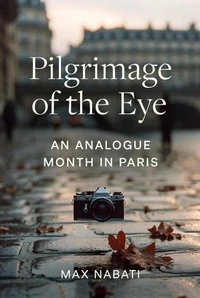

3,49 €

The Salt Wind of Khark
E-book
4,49 €
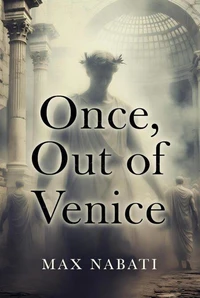
Once, Out of Venice
E-book
3,49 €

The Cube Of Wishes
E-book
8,49 €
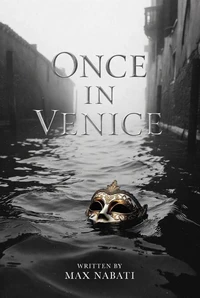
Once, in Venice
E-book
3,49 €
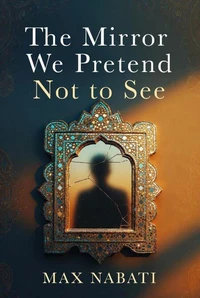
8,49 €

The Forty-Minutes Sunset
E-book
3,49 €
2,99 €

3,49 €

3,49 €
The Cebu Hours
E-book
4,49 €
2,99 €

Down Under, Down Below
E-book
2,99 €

6,99 €