SOLDES
Jusqu'à -70% sur une sélection d'articles*

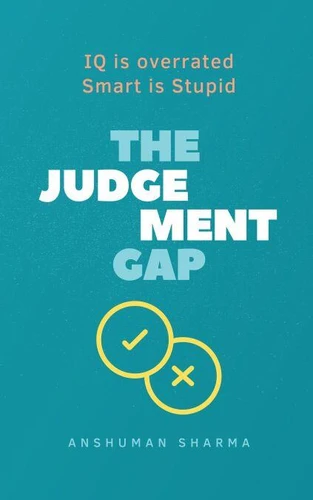
The judgement Gap- IQ is overrated & Smart is Stupid
Par :Formats :
Disponible dans votre compte client Decitre ou Furet du Nord dès validation de votre commande. Le format ePub est :
- Compatible avec une lecture sur My Vivlio (smartphone, tablette, ordinateur)
- Compatible avec une lecture sur liseuses Vivlio
- Pour les liseuses autres que Vivlio, vous devez utiliser le logiciel Adobe Digital Edition. Non compatible avec la lecture sur les liseuses Kindle, Remarkable et Sony
 , qui est-ce ?
Notre partenaire de plateforme de lecture numérique où vous retrouverez l'ensemble de vos ebooks gratuitement
Pour en savoir plus sur nos ebooks, consultez notre aide en ligne ici
C'est si simple ! Lisez votre ebook avec l'app Vivlio sur votre tablette, mobile ou ordinateur :

- FormatePub
- ISBN8233216305
- EAN9798233216305
- Date de parution03/04/2026
- Protection num.pas de protection
- Infos supplémentairesepub
- ÉditeurLinda Balsamo
Résumé
I've tried to write the book I wished someone had handed me twenty years ago, when I was making my own share of terrible decisions and couldn't understand why someone supposedly smart kept getting it wrong. The answer, I eventually discovered, is that smartness is a starting point, not a destination. The destination is wisdom, and the road between the two is paved with humility, practice, and the willingness to look honestly at how your own mind works.
Intelligence is a tool. Judgment is the hand that wields it. And the gap between the two, what I call the 'Judgment Gap', is responsible for some of the most spectacular failures in modern history. Brilliance was never the problem. The problem was something else entirely, a deficit in the quality of thinking applied to consequential choices. A deficit in judgment. This book is an investigation into that deficit.
It asks why intelligent people consistently make poor decisions, and more importantly, what any of us can do about it. The answers draw from behavioral economics, military decision science, cognitive psychology, and decades of research into corporate disasters, medical errors, and political catastrophes.
Intelligence is a tool. Judgment is the hand that wields it. And the gap between the two, what I call the 'Judgment Gap', is responsible for some of the most spectacular failures in modern history. Brilliance was never the problem. The problem was something else entirely, a deficit in the quality of thinking applied to consequential choices. A deficit in judgment. This book is an investigation into that deficit.
It asks why intelligent people consistently make poor decisions, and more importantly, what any of us can do about it. The answers draw from behavioral economics, military decision science, cognitive psychology, and decades of research into corporate disasters, medical errors, and political catastrophes.
A propos de Anshuman Sharma


2,99 €




3,49 €