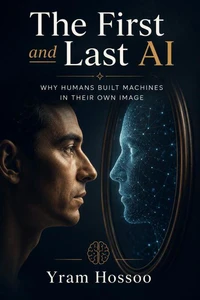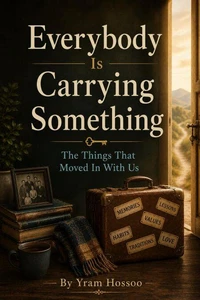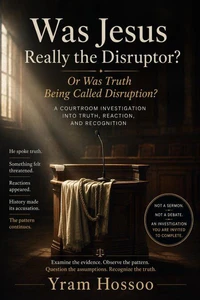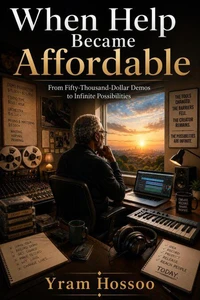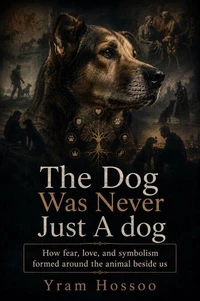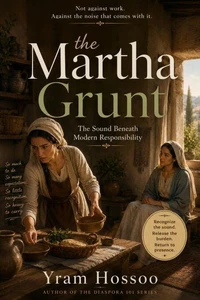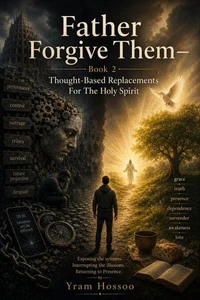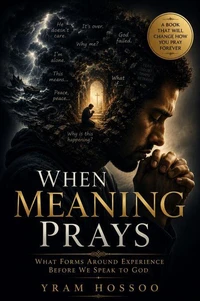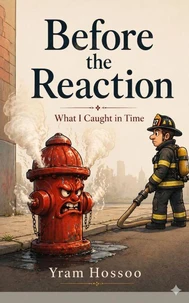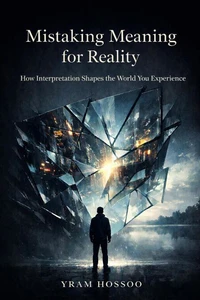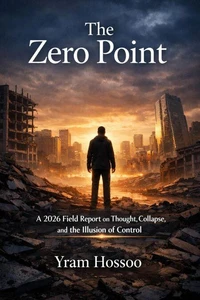



About the AuthorYram Hossoo is a musician, writer, and disruptor who has spent decades at the intersection of art, spirit, and social truth. From the live stage to the quiet study, he has pursued one mission: to strip away the noise of thought and recover the signal of clarity. His work fuses courtroom precision with poetic fire, exposing the illusions that keep people trapped in performance and confusion.
Through Post-Religious Grace Music, the Mechanics of Faith framework, and a growing library of books, Yram helps readers and listeners move beyond inherited systems into the living reality of identity restored. He writes not as a guru or a gatekeeper, but as one who has learned to distrust the voice of thought and trust instead the witness of Spirit. His projects-spanning songs, sermons, podcasts, and visual parables-carry one thread: clarity is rest, and rest is freedom.
Through Post-Religious Grace Music, the Mechanics of Faith framework, and a growing library of books, Yram helps readers and listeners move beyond inherited systems into the living reality of identity restored. He writes not as a guru or a gatekeeper, but as one who has learned to distrust the voice of thought and trust instead the witness of Spirit. His projects-spanning songs, sermons, podcasts, and visual parables-carry one thread: clarity is rest, and rest is freedom.