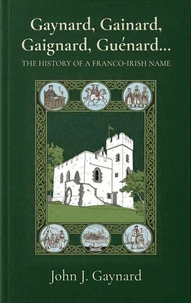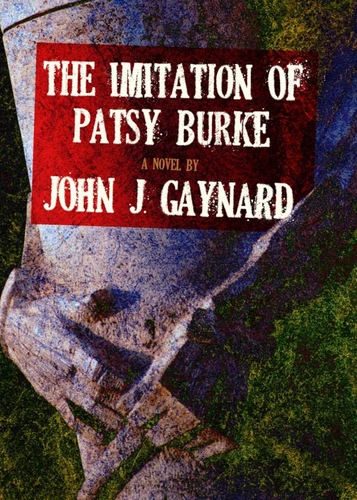



John J. Gaynard is from Mayo in the West of Ireland. He has lived and worked in Paris for many years. Many of his friends have been sculptors of various nationalities. Some of their traits have been captured in the character of the hero of his second novel, 'The Imitation of Patsy Burke', but every one of Patsy's acts is purely fictitious. From the Kirkus Review of The Imitation of Patsy Burke: "Booze, brawls, sex and schizophrenia--such is the artist's life in Paris, according to this raucous satire.
(Patsy Burke is) A raging alcoholic given to beating up pimps in Paris dives, he's used to blackouts and drunk tanks. Unfortunately, his latest bender has left a dead man in its wake, and Patsy's attempt to piece together what he's been doing for the last few days triggers a reckoning with his past and his demons. Said demons take the form of bickering voices inside his head, including Caravaggio, a Nietzchean figure who eggs on Patsy's fistfights and womanizing; Goody Two-Shoes, a prim woman who castigates his atrocious treatment of friends and lovers; a wispy romantic named Forget Me Not; and a scary demiurge called the Chopper, whose insistent promptings to behead women with a meat cleaver are barely fended off by the remnants of Patsy's sanity.
These clashing personae narrate Patsy's violent picaresque and roiling internal conflicts; he's bombastic, selfish, preening and cynical, yet steeped in Irish-Catholic guilt. (His downward spiral was touched off when he learned that a statue he made of Jesus being sodomized by two monks--meant as a protest against clerical abuses--is now presiding over orgies conducted by Vatican pedophiles.)"
(Patsy Burke is) A raging alcoholic given to beating up pimps in Paris dives, he's used to blackouts and drunk tanks. Unfortunately, his latest bender has left a dead man in its wake, and Patsy's attempt to piece together what he's been doing for the last few days triggers a reckoning with his past and his demons. Said demons take the form of bickering voices inside his head, including Caravaggio, a Nietzchean figure who eggs on Patsy's fistfights and womanizing; Goody Two-Shoes, a prim woman who castigates his atrocious treatment of friends and lovers; a wispy romantic named Forget Me Not; and a scary demiurge called the Chopper, whose insistent promptings to behead women with a meat cleaver are barely fended off by the remnants of Patsy's sanity.
These clashing personae narrate Patsy's violent picaresque and roiling internal conflicts; he's bombastic, selfish, preening and cynical, yet steeped in Irish-Catholic guilt. (His downward spiral was touched off when he learned that a statue he made of Jesus being sodomized by two monks--meant as a protest against clerical abuses--is now presiding over orgies conducted by Vatican pedophiles.)"