SOLDES
Jusqu'à -70% sur une sélection d'articles*

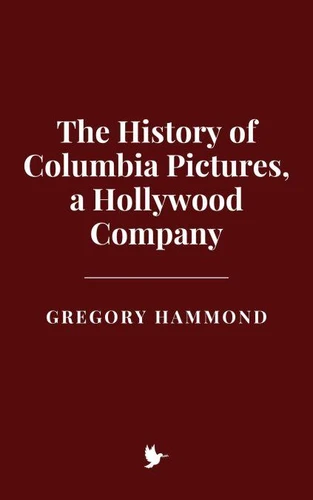
The History of Columbia Pictures, a Hollywood Company
Par :Formats :
Disponible dans votre compte client Decitre ou Furet du Nord dès validation de votre commande. Le format ePub est :
- Compatible avec une lecture sur My Vivlio (smartphone, tablette, ordinateur)
- Compatible avec une lecture sur liseuses Vivlio
- Pour les liseuses autres que Vivlio, vous devez utiliser le logiciel Adobe Digital Edition. Non compatible avec la lecture sur les liseuses Kindle, Remarkable et Sony
 , qui est-ce ?
Notre partenaire de plateforme de lecture numérique où vous retrouverez l'ensemble de vos ebooks gratuitement
Pour en savoir plus sur nos ebooks, consultez notre aide en ligne ici
C'est si simple ! Lisez votre ebook avec l'app Vivlio sur votre tablette, mobile ou ordinateur :

- FormatePub
- ISBN8230460015
- EAN9798230460015
- Date de parution03/02/2025
- Protection num.pas de protection
- Infos supplémentairesepub
- ÉditeurIndependently Published
Résumé
This book provides a comprehensive exploration of the history, evolution, and future of Columbia Pictures, one of Hollywood's most iconic studios. From its founding in the early 20th century to its emergence as a major player in the film industry, Columbia's trajectory is marked by both its adaptability and its contributions to cinematic storytelling. Through a detailed analysis of key films, directors, and industry trends, this book examines how Columbia responded to the changing dynamics of Hollywood, including the rise of television, the studio system's decline, and the global expansion of the entertainment industry.
It highlights the studio's ability to navigate technological advancements, such as the digital revolution and the rise of streaming platforms, while remaining committed to producing diverse, culturally relevant content. Through the lens of Columbia's cinematic output, the book delves into broader industry themes, including the impact of globalization, the democratization of filmmaking, and the importance of inclusion and representation.
By tracing Columbia's efforts to adapt to these changes, the book offers insight into how the studio has maintained its relevance in an increasingly fragmented and competitive media landscape. Looking ahead, it considers the future of Columbia Pictures as it faces new challenges and opportunities in a world where digital-first distribution, streaming services, and technological innovations continue to reshape the entertainment industry.
This study not only chronicles the history of Columbia Pictures but also provides a forward-looking perspective on the studio's potential role in the evolving landscape of global cinema.
It highlights the studio's ability to navigate technological advancements, such as the digital revolution and the rise of streaming platforms, while remaining committed to producing diverse, culturally relevant content. Through the lens of Columbia's cinematic output, the book delves into broader industry themes, including the impact of globalization, the democratization of filmmaking, and the importance of inclusion and representation.
By tracing Columbia's efforts to adapt to these changes, the book offers insight into how the studio has maintained its relevance in an increasingly fragmented and competitive media landscape. Looking ahead, it considers the future of Columbia Pictures as it faces new challenges and opportunities in a world where digital-first distribution, streaming services, and technological innovations continue to reshape the entertainment industry.
This study not only chronicles the history of Columbia Pictures but also provides a forward-looking perspective on the studio's potential role in the evolving landscape of global cinema.
A propos de Gregory Hammond






2,99 €




2,99 €