SOLDES
Jusqu'à -70% sur une sélection d'articles*

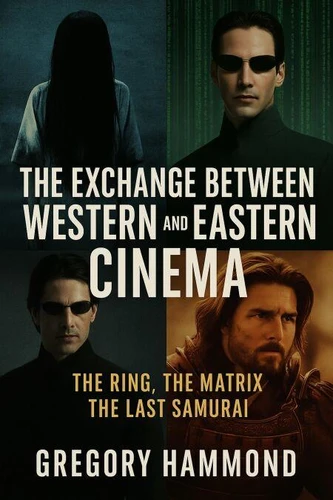
The Exchange Between Western and Eastern Cinema: The Ring, The Matrix, The Last Samurai
Par :Formats :
Disponible dans votre compte client Decitre ou Furet du Nord dès validation de votre commande. Le format ePub est :
- Compatible avec une lecture sur My Vivlio (smartphone, tablette, ordinateur)
- Compatible avec une lecture sur liseuses Vivlio
- Pour les liseuses autres que Vivlio, vous devez utiliser le logiciel Adobe Digital Edition. Non compatible avec la lecture sur les liseuses Kindle, Remarkable et Sony
 , qui est-ce ?
Notre partenaire de plateforme de lecture numérique où vous retrouverez l'ensemble de vos ebooks gratuitement
Pour en savoir plus sur nos ebooks, consultez notre aide en ligne ici
C'est si simple ! Lisez votre ebook avec l'app Vivlio sur votre tablette, mobile ou ordinateur :

- FormatePub
- ISBN8231811434
- EAN9798231811434
- Date de parution23/04/2025
- Protection num.pas de protection
- Infos supplémentairesepub
- ÉditeurWalzone Press
Résumé
The Exchange Between Western and Eastern Cinema: The Ring, The Matrix, The Last Samurai by Gregory Hammond explores the rich cultural and philosophical exchange between Western and Eastern cinematic traditions through the lens of three iconic films: The Ring (2002), The Matrix (1999), and The Last Samurai (2003). The book examines how these films, while distinct in genre and narrative, reflect the blending of Eastern philosophical ideas with Western cinematic storytelling.
Through an in-depth analysis, Hammond discusses how The Matrix incorporates Eastern concepts like illusion and enlightenment, rooted in Buddhism and Taoism, to reshape the Western hero's journey. Similarly, the book explores how The Ring navigates the cultural terrain between Japan's spiritual folklore and Western fears of technological contamination, offering a psychological exploration of fear, identity, and the supernatural.
Finally, The Last Samurai is examined for its portrayal of the samurai code, bushido, and the tension between individualism and collective duty, bridging Eastern and Western notions of heroism and transformation. This thought-provoking book uncovers the complexities of cultural exchange in modern filmmaking, highlighting how these three films have introduced Eastern ideas to a global audience while challenging traditional notions of identity, heroism, and morality in the process.
The exchange between Eastern and Western cinema, Hammond argues, is not just a matter of stylistic borrowing but a deeper philosophical dialogue that continues to shape the stories we tell about ourselves and the world.
Through an in-depth analysis, Hammond discusses how The Matrix incorporates Eastern concepts like illusion and enlightenment, rooted in Buddhism and Taoism, to reshape the Western hero's journey. Similarly, the book explores how The Ring navigates the cultural terrain between Japan's spiritual folklore and Western fears of technological contamination, offering a psychological exploration of fear, identity, and the supernatural.
Finally, The Last Samurai is examined for its portrayal of the samurai code, bushido, and the tension between individualism and collective duty, bridging Eastern and Western notions of heroism and transformation. This thought-provoking book uncovers the complexities of cultural exchange in modern filmmaking, highlighting how these three films have introduced Eastern ideas to a global audience while challenging traditional notions of identity, heroism, and morality in the process.
The exchange between Eastern and Western cinema, Hammond argues, is not just a matter of stylistic borrowing but a deeper philosophical dialogue that continues to shape the stories we tell about ourselves and the world.
A propos de Gregory Hammond


2,99 €
2,99 €