SOLDES
Jusqu'à -70% sur une sélection d'articles*

Nouveauté
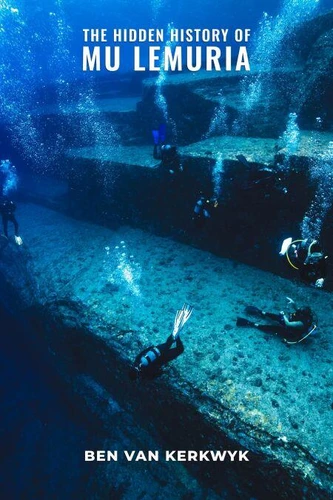
The Hidden History of Mu Lemuria. Forbidden History Archive, #3
Par :Formats :
Disponible dans votre compte client Decitre ou Furet du Nord dès validation de votre commande. Le format ePub est :
- Compatible avec une lecture sur My Vivlio (smartphone, tablette, ordinateur)
- Compatible avec une lecture sur liseuses Vivlio
- Pour les liseuses autres que Vivlio, vous devez utiliser le logiciel Adobe Digital Edition. Non compatible avec la lecture sur les liseuses Kindle, Remarkable et Sony
 , qui est-ce ?
Notre partenaire de plateforme de lecture numérique où vous retrouverez l'ensemble de vos ebooks gratuitement
Pour en savoir plus sur nos ebooks, consultez notre aide en ligne ici
C'est si simple ! Lisez votre ebook avec l'app Vivlio sur votre tablette, mobile ou ordinateur :

- FormatePub
- ISBN8235511606
- EAN9798235511606
- Date de parution11/07/2026
- Protection num.pas de protection
- Infos supplémentairesepub
- ÉditeurIoakim Ioakim
Résumé
For more than a century, Mu and Lemuria have been treated either as vanished continents or as embarrassing relics of occult speculation. This book takes a different approach. It follows the trail from Philip Sclater, Helena Blavatsky, Augustus Le Plongeon, James Churchward, William Niven, Pacific oral traditions, disputed inscriptions, submerged landscapes, ancient navigation, megalithic sites, and the scattered memories of catastrophe preserved across the old world.
Churchward's lost Motherland is not accepted without question, but neither is it dismissed before the records are opened, the dates checked, the objects traced, and the geological limits understood. Hidden History of Mu Lemuria asks whether the old story may conceal something more credible than the continent drawn on Churchward's map: a broken maritime world of islands, drowned coastlines, long-distance routes, sacred centres, and survivor traditions later remembered as one lost homeland.
From Nan Madol and Rapa Nui to Egypt, Mesopotamia, India, China, and Mesoamerica, the book places the similarities beside the objections and tests what remains. The result is not a final verdict, but a case file on one of the most persistent ideas in alternative history-and on the possibility that the legend of Mu survived because part of it was never entirely invented.
Churchward's lost Motherland is not accepted without question, but neither is it dismissed before the records are opened, the dates checked, the objects traced, and the geological limits understood. Hidden History of Mu Lemuria asks whether the old story may conceal something more credible than the continent drawn on Churchward's map: a broken maritime world of islands, drowned coastlines, long-distance routes, sacred centres, and survivor traditions later remembered as one lost homeland.
From Nan Madol and Rapa Nui to Egypt, Mesopotamia, India, China, and Mesoamerica, the book places the similarities beside the objections and tests what remains. The result is not a final verdict, but a case file on one of the most persistent ideas in alternative history-and on the possibility that the legend of Mu survived because part of it was never entirely invented.