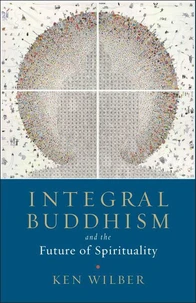
What might the Buddhism of the future look like? With all that we have learned in the modern and postmodern world, how can Buddhists be true to the central teachings of the tradition while also including them in a new framework that is inclusive of ongoing discoveries? Ken Wilber here explores these key questions facing Buddhism and indeed all of the world's great religions today, showing how traditional Buddhist teachings themselves suggest an ongoing evolution leading toward a more unified, holistic, and interconnected spirituality.
Touching on all of the key turning points in the history of Buddhism, Wilber describes the unique way in which the tradition has been open to the continuing unfolding and expansion of its own teachings, and he suggests possible paths toward an ever more Integral approach.
What might the Buddhism of the future look like? With all that we have learned in the modern and postmodern world, how can Buddhists be true to the central teachings of the tradition while also including them in a new framework that is inclusive of ongoing discoveries? Ken Wilber here explores these key questions facing Buddhism and indeed all of the world's great religions today, showing how traditional Buddhist teachings themselves suggest an ongoing evolution leading toward a more unified, holistic, and interconnected spirituality.
Touching on all of the key turning points in the history of Buddhism, Wilber describes the unique way in which the tradition has been open to the continuing unfolding and expansion of its own teachings, and he suggests possible paths toward an ever more Integral approach.


 , qui est-ce ?