SOLDES
Jusqu'à -70% sur une sélection d'articles*

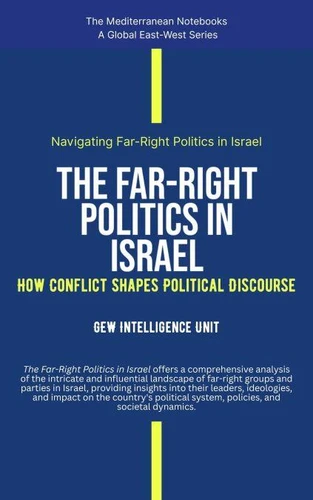
The Far-Right Politics In Israel: How Conflict Shapes Political Discourse. The Mediterranean Notebooks
Par :Formats :
Disponible dans votre compte client Decitre ou Furet du Nord dès validation de votre commande. Le format ePub protégé est :
- Compatible avec une lecture sur My Vivlio (smartphone, tablette, ordinateur)
- Compatible avec une lecture sur liseuses Vivlio
- Pour les liseuses autres que Vivlio, vous devez utiliser le logiciel Adobe Digital Edition. Non compatible avec la lecture sur les liseuses Kindle, Remarkable et Sony
- Non compatible avec un achat hors France métropolitaine
 , qui est-ce ?
Notre partenaire de plateforme de lecture numérique où vous retrouverez l'ensemble de vos ebooks gratuitement
Pour en savoir plus sur nos ebooks, consultez notre aide en ligne ici
C'est si simple ! Lisez votre ebook avec l'app Vivlio sur votre tablette, mobile ou ordinateur :

- FormatePub
- ISBN8231185412
- EAN9798231185412
- Date de parution17/05/2025
- Protection num.Adobe DRM
- Infos supplémentairesepub
- ÉditeurWalzone Press
Résumé
Israel's political landscape is deeply influenced by a complex interplay of nationalist, religious, and ideological forces. In recent years, far-right parties have moved from the fringes to the heart of government, significantly impacting the country's policies-especially on issues surrounding the Palestinian territories and minority rights. This book examines the major far-right entities shaping Israel's current political climate.
The ruling Likud party, under Benjamin Netanyahu, has shifted toward increasingly hardline positions, such as opposing a Palestinian state and promoting annexation of the West Bank. Alongside Likud is Religious Zionism, led by Bezalel Smotrich, which calls for major legal changes, including the expulsion of Palestinians who maintain national aspirations. Other influential parties include Otzma Yehudit (Jewish Power), led by Itamar Ben-Gvir, which openly supports the removal of Palestinians from Israel and the occupied territories, and Noam, focused on advancing ultra-Orthodox, anti-liberal family policies.
Additional groups, such as Shas and United Torah Judaism, primarily focus on religious issues but often align with far-right stances concerning the Palestinian conflict. Outside parliamentary politics, organisations like Lehava-an anti-miscegenation movement-and loosely affiliated groups like the Hilltop Youth exemplify the grassroots and sometimes violent edge of the far-right. The government formed in December 2022 is widely regarded as the most right-wing in Israel's history, with several far-right parties holding central ministries.
"The Far-Right Politics In Israel: How Conflict Shapes Political Discourse" provides an in-depth look at this multifaceted landscape and how ongoing conflict continues to shape political rhetoric, policy decisions, and civil society in Israel today.
The ruling Likud party, under Benjamin Netanyahu, has shifted toward increasingly hardline positions, such as opposing a Palestinian state and promoting annexation of the West Bank. Alongside Likud is Religious Zionism, led by Bezalel Smotrich, which calls for major legal changes, including the expulsion of Palestinians who maintain national aspirations. Other influential parties include Otzma Yehudit (Jewish Power), led by Itamar Ben-Gvir, which openly supports the removal of Palestinians from Israel and the occupied territories, and Noam, focused on advancing ultra-Orthodox, anti-liberal family policies.
Additional groups, such as Shas and United Torah Judaism, primarily focus on religious issues but often align with far-right stances concerning the Palestinian conflict. Outside parliamentary politics, organisations like Lehava-an anti-miscegenation movement-and loosely affiliated groups like the Hilltop Youth exemplify the grassroots and sometimes violent edge of the far-right. The government formed in December 2022 is widely regarded as the most right-wing in Israel's history, with several far-right parties holding central ministries.
"The Far-Right Politics In Israel: How Conflict Shapes Political Discourse" provides an in-depth look at this multifaceted landscape and how ongoing conflict continues to shape political rhetoric, policy decisions, and civil society in Israel today.