SOLDES
Jusqu'à -70% sur une sélection d'articles*

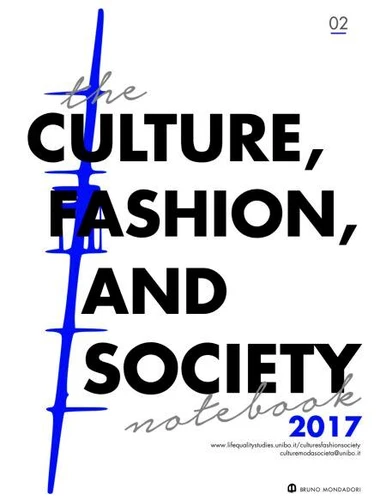
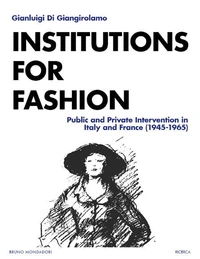
The Development of Fashion Institutions in Italy Involving Both Private and Public Sectors (1945-1962)
Par :Formats :
Disponible dans votre compte client Decitre ou Furet du Nord dès validation de votre commande. Le format PDF est :
- Compatible avec une lecture sur My Vivlio (smartphone, tablette, ordinateur)
- Compatible avec une lecture sur liseuses Vivlio
- Pour les liseuses autres que Vivlio, vous devez utiliser le logiciel Adobe Digital Edition. Non compatible avec la lecture sur les liseuses Kindle, Remarkable et Sony
 , qui est-ce ?
Notre partenaire de plateforme de lecture numérique où vous retrouverez l'ensemble de vos ebooks gratuitement
Pour en savoir plus sur nos ebooks, consultez notre aide en ligne ici
C'est si simple ! Lisez votre ebook avec l'app Vivlio sur votre tablette, mobile ou ordinateur :

- FormatPDF
- ISBN978-88-6774-281-3
- EAN9788867742813
- Date de parution24/01/2018
- Protection num.Digital Watermarking
- Taille401 Ko
- Infos supplémentairespdf
- ÉditeurBruno Mondadori
Résumé
"The essay by Gianluigi Di Giangirolamo entitled The Development
of Fashion Institutions in Italy Involving Both Private and Public
Sectors (1945-1962) investigates the process of institutionalising
Italian fashion during the 20th century. Using as sources documents
stored in the Central state archive in Rome, the scholar traces the historical path that ultimately led to the birth of the National chamber for Italian fashion, an association that still today governs, coordinates and promotes the development of the sector in Italy.
As well illustrated by Di Giangirolamo, research fellow in Contemporary History at the Department for Life Quality Studies of the University of Bologna, the process that led to the birth of the National chamber for Italian fashion represents the outcome of a complex economic, social, cultural and political journey that paralleled the development of the modern capitals of Italian fashion in the second post-war period."
As well illustrated by Di Giangirolamo, research fellow in Contemporary History at the Department for Life Quality Studies of the University of Bologna, the process that led to the birth of the National chamber for Italian fashion represents the outcome of a complex economic, social, cultural and political journey that paralleled the development of the modern capitals of Italian fashion in the second post-war period."