
Nouveauté
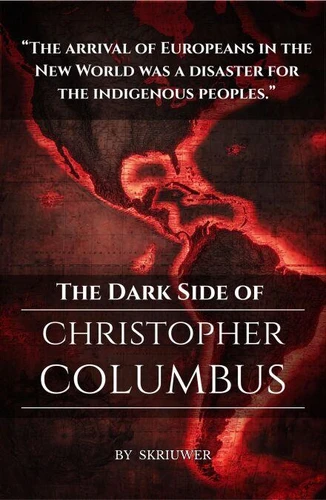
The Dark Side of Christopher Columbus
Par :Formats :
Disponible dans votre compte client Decitre ou Furet du Nord dès validation de votre commande. Le format ePub est :
- Compatible avec une lecture sur My Vivlio (smartphone, tablette, ordinateur)
- Compatible avec une lecture sur liseuses Vivlio
- Pour les liseuses autres que Vivlio, vous devez utiliser le logiciel Adobe Digital Edition. Non compatible avec la lecture sur les liseuses Kindle, Remarkable et Sony
 , qui est-ce ?
Notre partenaire de plateforme de lecture numérique où vous retrouverez l'ensemble de vos ebooks gratuitement
Pour en savoir plus sur nos ebooks, consultez notre aide en ligne ici
C'est si simple ! Lisez votre ebook avec l'app Vivlio sur votre tablette, mobile ou ordinateur :

- FormatePub
- ISBN8235142695
- EAN9798235142695
- Date de parution25/06/2026
- Protection num.pas de protection
- Infos supplémentairesepub
- ÉditeurIoakim Ioakim
Résumé
You know the story of Christopher Columbus as the brave explorer who discovered the New World. But what if almost everything you were taught was carefully edited to hide something far darker? The real Columbus kept a journal that revealed his true intentions from the very first day he landed, and they had nothing to do with exploration. This book strips away the myth and examines the documented record: the enslavement of indigenous peoples that began within weeks of Columbus's arrival, the systematic destruction of civilizations that had flourished for centuries, and how European monarchs used his voyages to justify a conquest that would reshape the entire world.
The sources are primary documents, court records, and Columbus's own words, not revisionist history from either direction. You will follow the arc from Columbus's shadowy origins in Genoa through four brutal voyages, the collapse of his governorship under charges of cruelty so extreme that even the Spanish crown removed him from power, and the long shadow his legacy cast over five centuries of colonialism.
The indigenous resistance, largely erased from mainstream accounts, gets the space it deserves here. If you have ever felt that the Columbus story seemed too clean, too heroic, or too convenient, this book gives you the evidence to understand why. History does not have to be comfortable to be true, and the full story of 1492 is one the world is still reckoning with today.
The sources are primary documents, court records, and Columbus's own words, not revisionist history from either direction. You will follow the arc from Columbus's shadowy origins in Genoa through four brutal voyages, the collapse of his governorship under charges of cruelty so extreme that even the Spanish crown removed him from power, and the long shadow his legacy cast over five centuries of colonialism.
The indigenous resistance, largely erased from mainstream accounts, gets the space it deserves here. If you have ever felt that the Columbus story seemed too clean, too heroic, or too convenient, this book gives you the evidence to understand why. History does not have to be comfortable to be true, and the full story of 1492 is one the world is still reckoning with today.
A propos de Auke de Haan

6,49 €

6,49 €
6,49 €

The Craziest WW2 Stories
E-book
6,49 €



6,49 €

6,49 €

4,49 €

6,49 €
The Skinny Shot
E-book
6,49 €
The Autoimmune Truth
E-book
6,49 €

Perimenopause Unfiltered
E-book
6,49 €
6,49 €
6,49 €