The Basu Roy Chowdhury family of Ulpur, known as the Bose family, have a history spanning nearly a thousand years in the Bengali heartland of Faridpur district, East Bengal (now Bangladesh). Their ancestors were granted a jagir by the Mughal emperor, and during the British era they established one of the prominent Zamindari estates of the region, with a large Zamindari Bari, Kali temple, and extensive landholdings in Ulpur village.
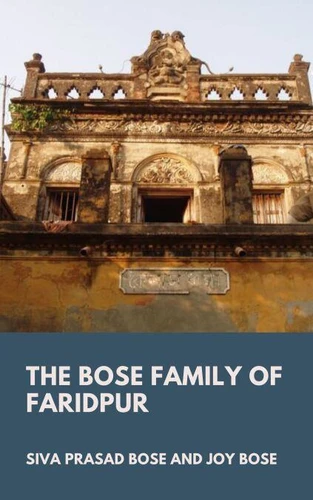
The Partition of India in 1947 brought this era to an abrupt end. The family lost their lands and ancestral home and rebuilt their lives in Delhi, first in Kashmere Gate and later in Chittaranjan Park, the story of countless Bengali Hindu families of East Bengal. This book documents the family's origins, the surviving heritage buildings of the Ulpur Zamindari Bari, and the family's new life in Delhi.
Drawing on historical records, online research, personal visits to the ancestral site, and family memories, it serves as a lasting archive for future generations and a resource for readers interested in Bengali family histories and the Partition experience.
The Basu Roy Chowdhury family of Ulpur, known as the Bose family, have a history spanning nearly a thousand years in the Bengali heartland of Faridpur district, East Bengal (now Bangladesh). Their ancestors were granted a jagir by the Mughal emperor, and during the British era they established one of the prominent Zamindari estates of the region, with a large Zamindari Bari, Kali temple, and extensive landholdings in Ulpur village.
The Partition of India in 1947 brought this era to an abrupt end. The family lost their lands and ancestral home and rebuilt their lives in Delhi, first in Kashmere Gate and later in Chittaranjan Park, the story of countless Bengali Hindu families of East Bengal. This book documents the family's origins, the surviving heritage buildings of the Ulpur Zamindari Bari, and the family's new life in Delhi.
Drawing on historical records, online research, personal visits to the ancestral site, and family memories, it serves as a lasting archive for future generations and a resource for readers interested in Bengali family histories and the Partition experience.

 , qui est-ce ?