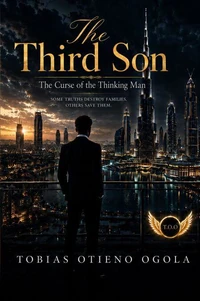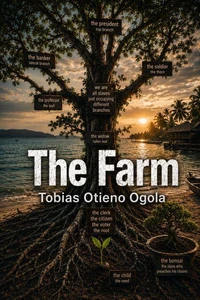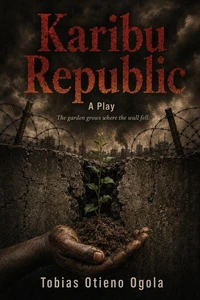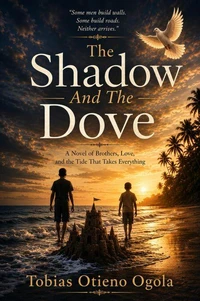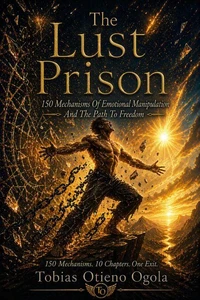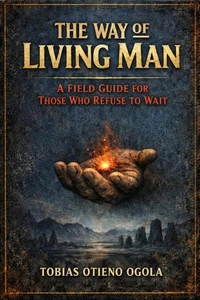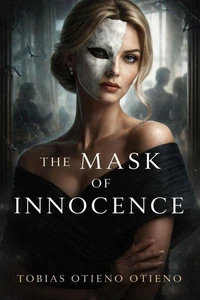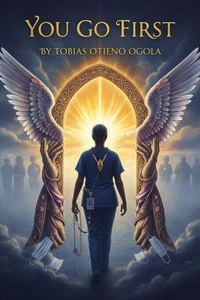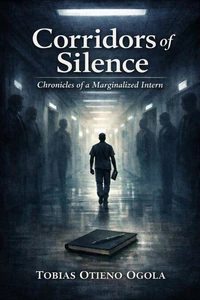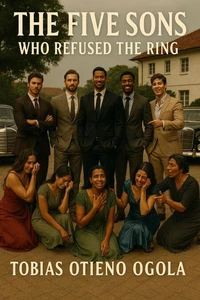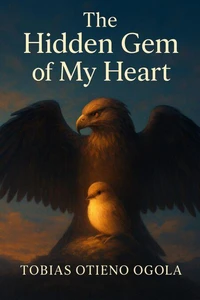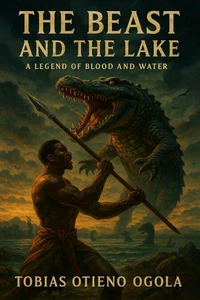



Tobias Otieno Ogola is a social genius, Kenyan author, assistant researcher, and nursing officer raised on Takawiri Island in Mbita Sub-County, Homa Bay County. He demonstrated academic excellence from an early age, emerging as the top student at Takawiri Primary School and later ranking among the top students at Mbita High School, where he graduated in 2019. Tobias earned a Bachelor of Science in Nursing (BScN) from the University of Nairobi.
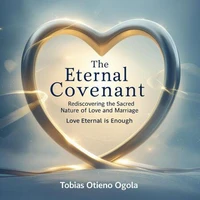
He has established himself as a multifaceted professional, balancing careers in healthcare and research with a prolific writing career. His works span drama, social commentary, and philosophical literature, reflecting his commitment to both his profession and his passion for exploring complex societal issues through the written word. Tobias's publications include My Island, My Pain; The Forgotten Man: How Society Failed the Boychild; One Devil, Different Gods, One Earth; The Untamable Jackal; The Eternal Covenant: Rediscovering the Sacred Nature of Love and Marriage; Betrayed by the System; The Knights of Africa; and many others.
Through these works, he explores the complexities of human identity, relationships, justice, faith, and societal challenges, seeking to provoke thought, inspire meaningful dialogue, and encourage positive transformation. Through both his academic pursuits and literary contributions, Tobias continues to offer valuable insights into cultural, social, and personal transformation.
He has established himself as a multifaceted professional, balancing careers in healthcare and research with a prolific writing career. His works span drama, social commentary, and philosophical literature, reflecting his commitment to both his profession and his passion for exploring complex societal issues through the written word. Tobias's publications include My Island, My Pain; The Forgotten Man: How Society Failed the Boychild; One Devil, Different Gods, One Earth; The Untamable Jackal; The Eternal Covenant: Rediscovering the Sacred Nature of Love and Marriage; Betrayed by the System; The Knights of Africa; and many others.
Through these works, he explores the complexities of human identity, relationships, justice, faith, and societal challenges, seeking to provoke thought, inspire meaningful dialogue, and encourage positive transformation. Through both his academic pursuits and literary contributions, Tobias continues to offer valuable insights into cultural, social, and personal transformation.