SOLDES
Jusqu'à -70% sur une sélection d'articles*

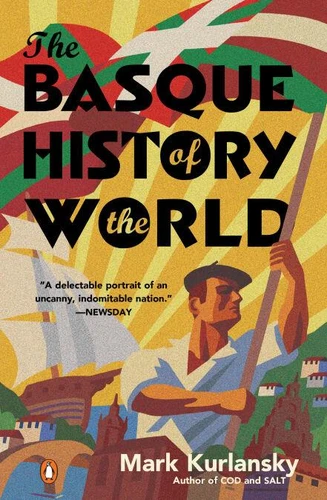
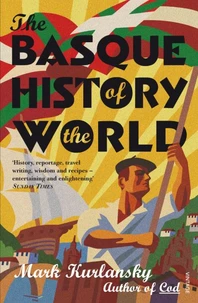
The Basque History of the World: The Story of a Nation
Par :Formats :
Disponible dans votre compte client Decitre ou Furet du Nord dès validation de votre commande. Le format ePub protégé est :
- Compatible avec une lecture sur My Vivlio (smartphone, tablette, ordinateur)
- Compatible avec une lecture sur liseuses Vivlio
- Pour les liseuses autres que Vivlio, vous devez utiliser le logiciel Adobe Digital Edition. Non compatible avec la lecture sur les liseuses Kindle, Remarkable et Sony
- Non compatible avec un achat hors France métropolitaine
 , qui est-ce ?
Notre partenaire de plateforme de lecture numérique où vous retrouverez l'ensemble de vos ebooks gratuitement
Pour en savoir plus sur nos ebooks, consultez notre aide en ligne ici
C'est si simple ! Lisez votre ebook avec l'app Vivlio sur votre tablette, mobile ou ordinateur :

- Nombre de pages400
- FormatePub
- ISBN0-593-51226-X
- EAN9780593512265
- Date de parution01/02/2001
- Protection num.Adobe DRM
- Taille107 Mo
- Infos supplémentairesepub
- ÉditeurPenguin Books
Résumé
"A lively, anecdotal, all-encompassing history of Basque ingenuity and achievement." -Atlantic MonthlyFrom Mark Kurlansky, the bestselling author of Cod, Salt, Birdseye, and Paper-the illuminating story of an ancient and enigmatic peopleStraddling a small corner of Spain and France in a land that is marked on no maps except their own, the Basques are a puzzling contradiction-they are Europe's oldest nation without ever having been a country.
No one has ever been able to determine their origins, and even the Basques' language, Euskera-the most ancient in Europe-is related to none other on earth. For centuries, their influence has been felt in nearly every realm, from religion to sports to commerce. Even today, the Basques are enjoying what may be the most important cultural renaissance in their long existence, as displayed by new cookbooks like chefs Alexandra Raij and Eder Montero's The Basque Book and restaurateur Jose Pizarro's Basque.
Mark Kurlansky's passion for the Basque people and his exuberant eye for detail shine throughout this fascinating book. Among the Basques' greatest accomplishments: . Exploration-the first man to circumnavigate the globe, Juan Sebastian de Elcano, was a Basque and the Basques were the second Europeans, after the Vikings, in North America . Gastronomy and agriculture-they were the first Europeans to eat corn and chili peppers and cultivate tobacco, and were among the first to use chocolate .
Religion-Ignatius Loyola, a Basque, founded the Jesuit religious order . Business and politics-they introduced capitalism and modern commercial banking to southern Europe . Recreation-they invented beach resorts, jai alai, and racing regattas, and were the first Europeans to play sports with balls "Entertaining and instructive. [Kurlansky's] approach is unorthodox, mixing history with anecdotes, poems with recipes." -The New York Times Book Review
No one has ever been able to determine their origins, and even the Basques' language, Euskera-the most ancient in Europe-is related to none other on earth. For centuries, their influence has been felt in nearly every realm, from religion to sports to commerce. Even today, the Basques are enjoying what may be the most important cultural renaissance in their long existence, as displayed by new cookbooks like chefs Alexandra Raij and Eder Montero's The Basque Book and restaurateur Jose Pizarro's Basque.
Mark Kurlansky's passion for the Basque people and his exuberant eye for detail shine throughout this fascinating book. Among the Basques' greatest accomplishments: . Exploration-the first man to circumnavigate the globe, Juan Sebastian de Elcano, was a Basque and the Basques were the second Europeans, after the Vikings, in North America . Gastronomy and agriculture-they were the first Europeans to eat corn and chili peppers and cultivate tobacco, and were among the first to use chocolate .
Religion-Ignatius Loyola, a Basque, founded the Jesuit religious order . Business and politics-they introduced capitalism and modern commercial banking to southern Europe . Recreation-they invented beach resorts, jai alai, and racing regattas, and were the first Europeans to play sports with balls "Entertaining and instructive. [Kurlansky's] approach is unorthodox, mixing history with anecdotes, poems with recipes." -The New York Times Book Review