SOLDES
Jusqu'à -70% sur une sélection d'articles*

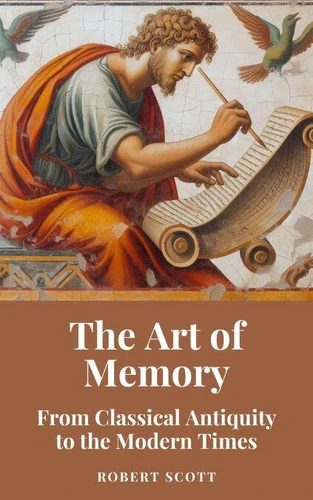
The Art of Memory: From Classical Antiquity to the Modern Times
Par :Formats :
Disponible dans votre compte client Decitre ou Furet du Nord dès validation de votre commande. Le format ePub est :
- Compatible avec une lecture sur My Vivlio (smartphone, tablette, ordinateur)
- Compatible avec une lecture sur liseuses Vivlio
- Pour les liseuses autres que Vivlio, vous devez utiliser le logiciel Adobe Digital Edition. Non compatible avec la lecture sur les liseuses Kindle, Remarkable et Sony
 , qui est-ce ?
Notre partenaire de plateforme de lecture numérique où vous retrouverez l'ensemble de vos ebooks gratuitement
Pour en savoir plus sur nos ebooks, consultez notre aide en ligne ici
C'est si simple ! Lisez votre ebook avec l'app Vivlio sur votre tablette, mobile ou ordinateur :

- FormatePub
- ISBN8227600905
- EAN9798227600905
- Date de parution11/11/2024
- Protection num.pas de protection
- Infos supplémentairesepub
- ÉditeurBig Dog Books, LLC
Résumé
The art of memory, a practice dating back to classical antiquity, has been revered and developed as both a cognitive skill and a pathway to wisdom. Originating in the mnemonic techniques of ancient Greece, such as the method of loci (memory palace), the art of memory was adapted and deepened by Roman orators, Christian theologians, and medieval monastic scholars who viewed memory as essential to rhetoric, intellectual organization, and spiritual growth.
Figures like Simonides, Cicero, Augustine, Thomas Aquinas, Hugh of St. Victor, and Ramon Llull contributed to a rich tradition of memory practices, each adding layers of ethical, philosophical, and mystical significance to the discipline. The invention of the printing press and the spread of written texts during the Renaissance led to a decline in reliance on traditional memory techniques. However, Renaissance humanists, mystics, and thinkers like Giordano Bruno continued to explore and expand memory practices, blending mnemonic systems with metaphysical and scientific inquiries.
The resurgence of interest in memory techniques during the 20th century, particularly through the work of Frances Yates, highlighted the influence of these historical practices on the development of modern thought. Today, the art of memory remains relevant, intersecting with fields like cognitive science, artificial intelligence, and augmented reality, while also playing a role in competitive memory sports and educational methods.
Neuroscientific studies reveal how mnemonic techniques shape brain function, and digital tools provide new ways to integrate memory techniques into daily life. As we face an age of digital dependency, the art of memory offers a counterbalance, encouraging mindfulness, cognitive autonomy, and a structured approach to knowledge. This work traces the journey of the art of memory from its ancient origins to its future potential, demonstrating how memory has been cultivated not merely for retention but as a method for intellectual enrichment, moral discipline, and personal transformation.
In an age of rapid technological change, the art of memory endures as a bridge between past and future, offering timeless insights into the nature of human cognition and self-discovery.
Figures like Simonides, Cicero, Augustine, Thomas Aquinas, Hugh of St. Victor, and Ramon Llull contributed to a rich tradition of memory practices, each adding layers of ethical, philosophical, and mystical significance to the discipline. The invention of the printing press and the spread of written texts during the Renaissance led to a decline in reliance on traditional memory techniques. However, Renaissance humanists, mystics, and thinkers like Giordano Bruno continued to explore and expand memory practices, blending mnemonic systems with metaphysical and scientific inquiries.
The resurgence of interest in memory techniques during the 20th century, particularly through the work of Frances Yates, highlighted the influence of these historical practices on the development of modern thought. Today, the art of memory remains relevant, intersecting with fields like cognitive science, artificial intelligence, and augmented reality, while also playing a role in competitive memory sports and educational methods.
Neuroscientific studies reveal how mnemonic techniques shape brain function, and digital tools provide new ways to integrate memory techniques into daily life. As we face an age of digital dependency, the art of memory offers a counterbalance, encouraging mindfulness, cognitive autonomy, and a structured approach to knowledge. This work traces the journey of the art of memory from its ancient origins to its future potential, demonstrating how memory has been cultivated not merely for retention but as a method for intellectual enrichment, moral discipline, and personal transformation.
In an age of rapid technological change, the art of memory endures as a bridge between past and future, offering timeless insights into the nature of human cognition and self-discovery.
A propos de Robert Scott



2,99 €

2,99 €


2,99 €


2,99 €

2,99 €

2,99 €

2,99 €


2,99 €

2,99 €