SOLDES
Jusqu'à -70% sur une sélection d'articles*

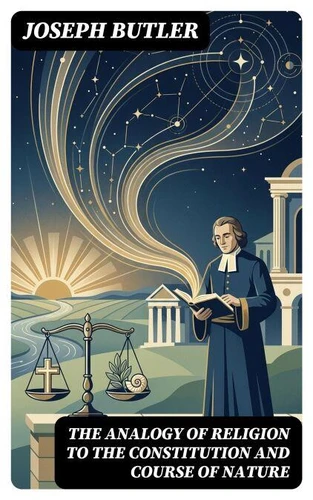
The Analogy of Religion to the Constitution and Course of Nature. Enriched edition. To which are added two brief dissertations: I. On personal identity. II. On the nature of virtue
Par : , ,Formats :
Disponible dans votre compte client Decitre ou Furet du Nord dès validation de votre commande. Le format ePub est :
- Compatible avec une lecture sur My Vivlio (smartphone, tablette, ordinateur)
- Compatible avec une lecture sur liseuses Vivlio
- Pour les liseuses autres que Vivlio, vous devez utiliser le logiciel Adobe Digital Edition. Non compatible avec la lecture sur les liseuses Kindle, Remarkable et Sony
 , qui est-ce ?
Notre partenaire de plateforme de lecture numérique où vous retrouverez l'ensemble de vos ebooks gratuitement
Pour en savoir plus sur nos ebooks, consultez notre aide en ligne ici
C'est si simple ! Lisez votre ebook avec l'app Vivlio sur votre tablette, mobile ou ordinateur :

- Nombre de pages376
- FormatePub
- ISBN859-65--4702658-7
- EAN8596547026587
- Date de parution28/05/2022
- Protection num.Digital Watermarking
- Taille1 Mo
- Infos supplémentairesepub
- ÉditeurDIGICAT
Résumé
In "The Analogy of Religion to the Constitution and Course of Nature, " Joseph Butler presents a profound exploration of the parallels between religious belief and the natural world. Utilizing a fluid, yet methodical literary style, Butler's work elucidates complex theological and philosophical concepts through accessible language. The book, written in the context of Enlightenment thought, challenges the rationalist perspectives of his contemporaries by arguing for the coherence and rationality of religious belief as analogous to the observed laws of nature, thereby inviting readers to consider faith through a lens of intellectual rigor.
Joseph Butler, an influential Anglican bishop and philosopher, was shaped by the theological and philosophical debates of the 18th century, including the rise of deism and skepticism toward traditional religious beliefs. His training in philosophy and personal reflection on ethical and religious matters compelled him to articulate a defense of Christianity that reconciled faith with reason. Butler's unique perspective, emerging as a cleric deeply concerned with moral philosophy, culminates in this substantial treatise, which serves as a significant contribution to the discourse on religion and morality.
I highly recommend this book to anyone interested in the intersections of faith, philosophy, and the natural world. Butler's arguments are not only historically significant but also resonate with contemporary discussions around the relevance of spirituality in a rational age. His work stands as an essential reading for scholars, students, and laypersons alike, seeking a well-structured defense of religious conviction in the face of modern skepticism. In this enriched edition, we have carefully created added value for your reading experience: - A succinct Introduction situates the work's timeless appeal and themes. - The Synopsis outlines the central plot, highlighting key developments without spoiling critical twists. - A detailed Historical Context immerses you in the era's events and influences that shaped the writing. - A thorough Analysis dissects symbols, motifs, and character arcs to unearth underlying meanings. - Reflection questions prompt you to engage personally with the work's messages, connecting them to modern life. - Hand-picked Memorable Quotes shine a spotlight on moments of literary brilliance. - Interactive footnotes clarify unusual references, historical allusions, and archaic phrases for an effortless, more informed read.
Joseph Butler, an influential Anglican bishop and philosopher, was shaped by the theological and philosophical debates of the 18th century, including the rise of deism and skepticism toward traditional religious beliefs. His training in philosophy and personal reflection on ethical and religious matters compelled him to articulate a defense of Christianity that reconciled faith with reason. Butler's unique perspective, emerging as a cleric deeply concerned with moral philosophy, culminates in this substantial treatise, which serves as a significant contribution to the discourse on religion and morality.
I highly recommend this book to anyone interested in the intersections of faith, philosophy, and the natural world. Butler's arguments are not only historically significant but also resonate with contemporary discussions around the relevance of spirituality in a rational age. His work stands as an essential reading for scholars, students, and laypersons alike, seeking a well-structured defense of religious conviction in the face of modern skepticism. In this enriched edition, we have carefully created added value for your reading experience: - A succinct Introduction situates the work's timeless appeal and themes. - The Synopsis outlines the central plot, highlighting key developments without spoiling critical twists. - A detailed Historical Context immerses you in the era's events and influences that shaped the writing. - A thorough Analysis dissects symbols, motifs, and character arcs to unearth underlying meanings. - Reflection questions prompt you to engage personally with the work's messages, connecting them to modern life. - Hand-picked Memorable Quotes shine a spotlight on moments of literary brilliance. - Interactive footnotes clarify unusual references, historical allusions, and archaic phrases for an effortless, more informed read.