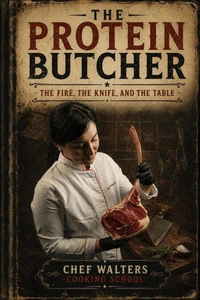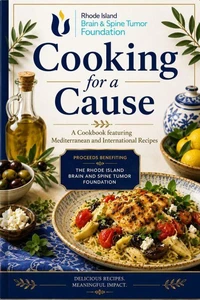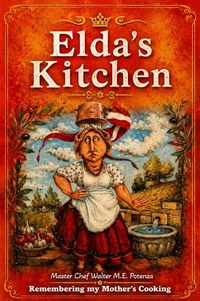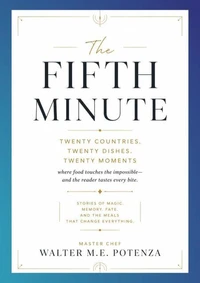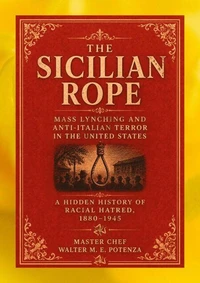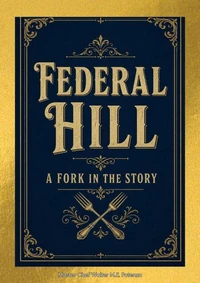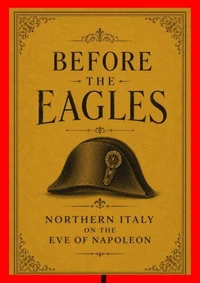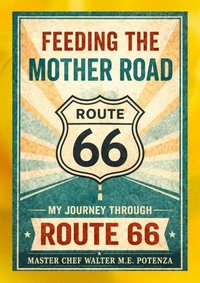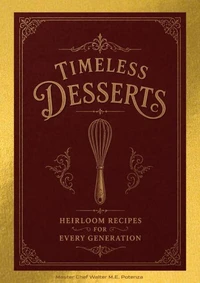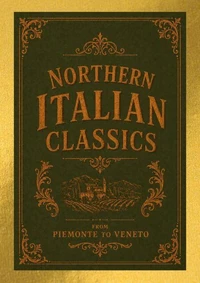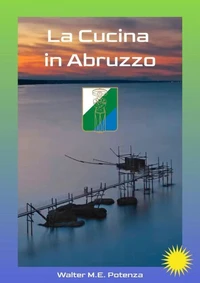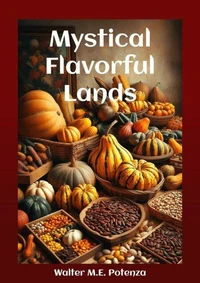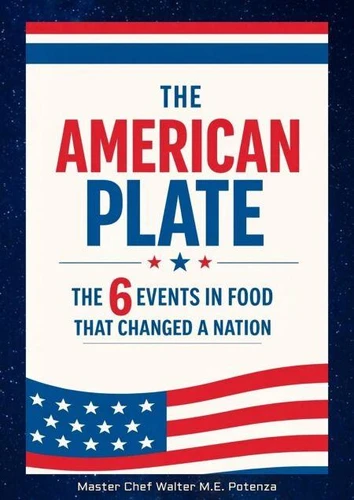



Walter Potenza's illustrious career is marked by an unwavering commitment to elevating Italian culinary culture in the United States. Renowned for his culinary prowess and sharp business acumen, Chef Walter is a dedicated educator, dispelling stereotypes with passion and Knowledge. His life, career, and values are models for chefs in Italian gastronomy outside of Italy. Hailing from Abruzzo, Italy, Chef Walter is celebrated as a leading advocate for traditional and historical Italian cooking on a national scale.
A familiar face on prestigious platforms such as the Food Network, ABC, CBS, NBC, RAI, FOX, Dubai Live, Chef Walter showcases his culinary talents. It takes on roles as a television host and trade show presenter. His influence extends to globally recognized publications, including The New York Times, The Washington Post, The Wall Street Journal, Food & Wine, Saveur, Gourmet, and numerous Italian media outlets.
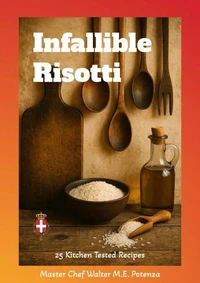
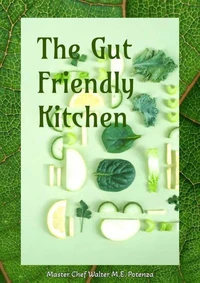
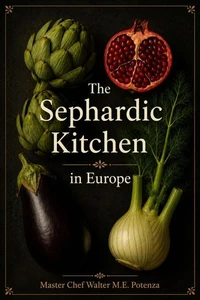
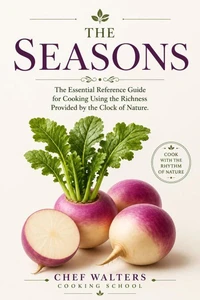
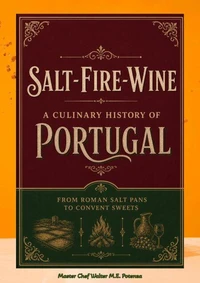
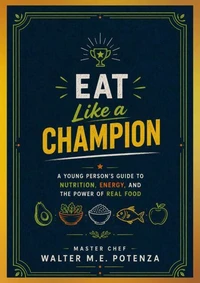
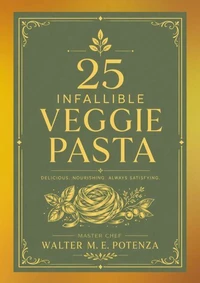
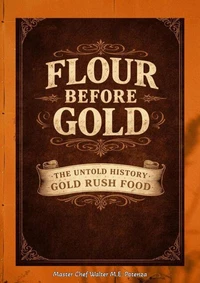
In addition to his culinary pursuits, Chef Walter wears multiple professional hats as an accomplished author, writer, and podcaster. His multifaceted expertise and dynamic presence make him a respected figure in the culinary world, and his diverse contributions underscore his significant impact on shaping perceptions and promoting the richness of Italian gastronomy in the United States.
A familiar face on prestigious platforms such as the Food Network, ABC, CBS, NBC, RAI, FOX, Dubai Live, Chef Walter showcases his culinary talents. It takes on roles as a television host and trade show presenter. His influence extends to globally recognized publications, including The New York Times, The Washington Post, The Wall Street Journal, Food & Wine, Saveur, Gourmet, and numerous Italian media outlets.
In addition to his culinary pursuits, Chef Walter wears multiple professional hats as an accomplished author, writer, and podcaster. His multifaceted expertise and dynamic presence make him a respected figure in the culinary world, and his diverse contributions underscore his significant impact on shaping perceptions and promoting the richness of Italian gastronomy in the United States.