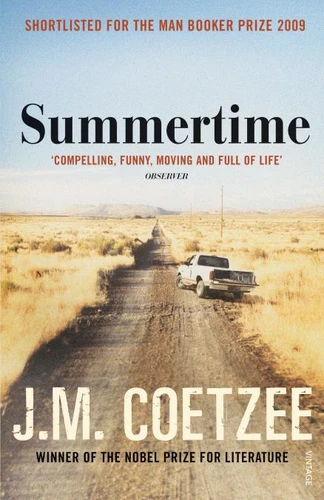
J. M. Coetzee's work includes Waiting for the Barbarians, Life & Times of Michael K, Boyhood, Youth, Disgrace, Summertime, The Childhood of Jesus and, most recently, The Schooldays of Jesus. He was the first author to win the Booker Prize twice and was awarded the Nobel Prize in Literature in 2003.
Summertime
Par :Formats :
Disponible dans votre compte client Decitre ou Furet du Nord dès validation de votre commande. Le format ePub protégé est :
- Compatible avec une lecture sur My Vivlio (smartphone, tablette, ordinateur)
- Compatible avec une lecture sur liseuses Vivlio
- Pour les liseuses autres que Vivlio, vous devez utiliser le logiciel Adobe Digital Edition. Non compatible avec la lecture sur les liseuses Kindle, Remarkable et Sony
- Non compatible avec un achat hors France métropolitaine
 , qui est-ce ?
Notre partenaire de plateforme de lecture numérique où vous retrouverez l'ensemble de vos ebooks gratuitement
Pour en savoir plus sur nos ebooks, consultez notre aide en ligne ici
C'est si simple ! Lisez votre ebook avec l'app Vivlio sur votre tablette, mobile ou ordinateur :

- Nombre de pages272
- FormatePub
- ISBN978-1-4090-8862-2
- EAN9781409088622
- Date de parution06/10/2009
- Protection num.Adobe DRM
- Infos supplémentairesepub
- ÉditeurVintage Digital
Résumé
A young English biographer is working on a book about the late writer, John Coetzee. He plans to focus on a period in the seventies when, the biographer senses, Coetzee was 'finding his feet as a writer'. He embarks on a series of interviews with people who were important to Coetzee - a married woman with whom he had an affair, his favourite cousin Margot, a Brazilian dancer whose daughter had English lessons with him, former friends and colleagues.
Thus emerges a portrait of the young Coetzee as an awkward, bookish individual, regarded as an outsider within the family. His insistence on doing manual work, his long hair and beard, and rumours that he writes poetry evoke nothing but suspicion in the South Africa of the time.
Thus emerges a portrait of the young Coetzee as an awkward, bookish individual, regarded as an outsider within the family. His insistence on doing manual work, his long hair and beard, and rumours that he writes poetry evoke nothing but suspicion in the South Africa of the time.
A propos de J.M. Coetzee
Speaking in Tongues
E-book
14,99 €
The Death of Jesus
E-book
8,99 €
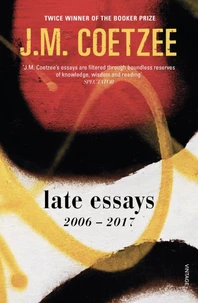
Late Essays. 2006 - 2017
E-book
9,49 €
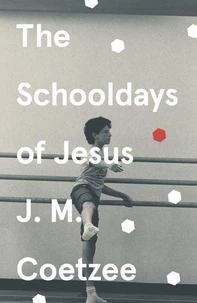
The Schooldays of Jesus
E-book
8,49 €
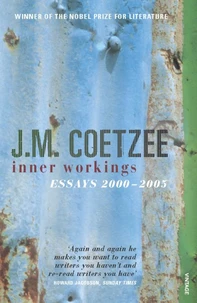
9,49 €
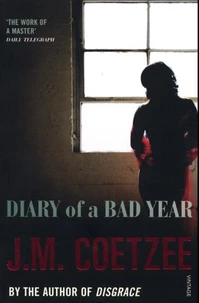
Diary of a Bad Year
E-book
8,49 €

The disgrace
E-book
8,99 €
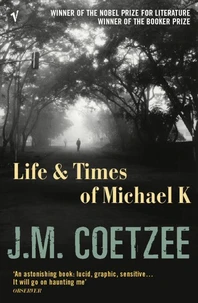
8,49 €
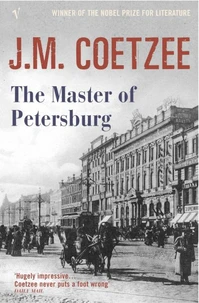
The Master of Petersburg
E-book
8,99 €
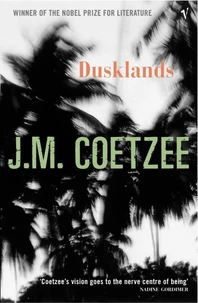
Dusklands
E-book
8,99 €
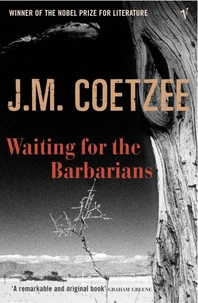
8,99 €
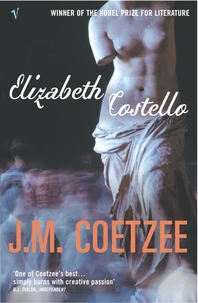
Elizabeth Costello
E-book
8,99 €