SOLDES
Jusqu'à -70% sur une sélection d'articles*

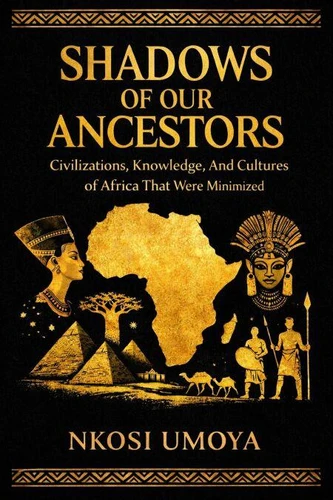
Shadows of Our Ancestors: Civilizations, Knowledge, And Cultures of Africa That Were Minimized
Par :Formats :
Disponible dans votre compte client Decitre ou Furet du Nord dès validation de votre commande. Le format ePub est :
- Compatible avec une lecture sur My Vivlio (smartphone, tablette, ordinateur)
- Compatible avec une lecture sur liseuses Vivlio
- Pour les liseuses autres que Vivlio, vous devez utiliser le logiciel Adobe Digital Edition. Non compatible avec la lecture sur les liseuses Kindle, Remarkable et Sony
 , qui est-ce ?
Notre partenaire de plateforme de lecture numérique où vous retrouverez l'ensemble de vos ebooks gratuitement
Pour en savoir plus sur nos ebooks, consultez notre aide en ligne ici
C'est si simple ! Lisez votre ebook avec l'app Vivlio sur votre tablette, mobile ou ordinateur :

- FormatePub
- ISBN8233485107
- EAN9798233485107
- Date de parution25/01/2026
- Protection num.pas de protection
- Infos supplémentairesepub
- ÉditeurLinda Balsamo
Résumé
Shadows of Our Ancestors uncovers the civilizations, knowledge, and cultures of Africa that were deliberately minimized, erased, or misrepresented in global history. Through meticulous scholarship, this book examines the forces-colonial power, racialized archaeology, archival control, and institutional bias-that determined which histories were preserved and which were forgotten. From the Nubian Pharaohs of Kush to the monumental structures of Great Zimbabwe, the intellectual legacies of Timbuktu, the artistry of Benin, and the oral sciences of the Dogon, Shadows of Our Ancestors restores context to societies whose achievements shaped human civilization yet were systematically obscured.
This work relies entirely on verifiable evidence: archaeological findings, museum collections, archival documents, and oral traditions. Each chapter distinguishes fact from absence, documentation from misinterpretation, and loss from deliberate erasure. It does not seek to rewrite history-it seeks to illuminate the shadows cast by centuries of selective memory. Written in rigorous, accessible prose, Shadows of Our Ancestors is essential reading for scholars, students, and anyone committed to understanding the full scope of Africa's profound contributions to world history.
This work relies entirely on verifiable evidence: archaeological findings, museum collections, archival documents, and oral traditions. Each chapter distinguishes fact from absence, documentation from misinterpretation, and loss from deliberate erasure. It does not seek to rewrite history-it seeks to illuminate the shadows cast by centuries of selective memory. Written in rigorous, accessible prose, Shadows of Our Ancestors is essential reading for scholars, students, and anyone committed to understanding the full scope of Africa's profound contributions to world history.