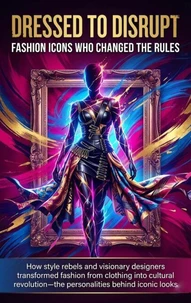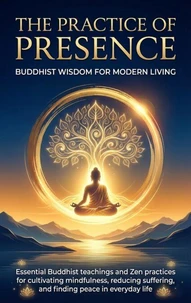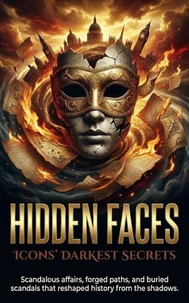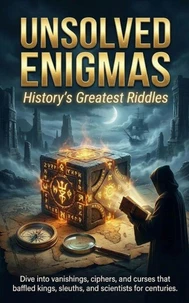
Naomi Clarke is an English-language nonfiction author who writes about personal development, emotional intelligence, and modern life challenges. Her books combine practical insights with reflective storytelling, encouraging readers to build resilience, confidence, and a deeper understanding of themselves and others. Her writing style is calm, uplifting, and accessible, with a focus on clarity, balance, and meaningful personal growth.
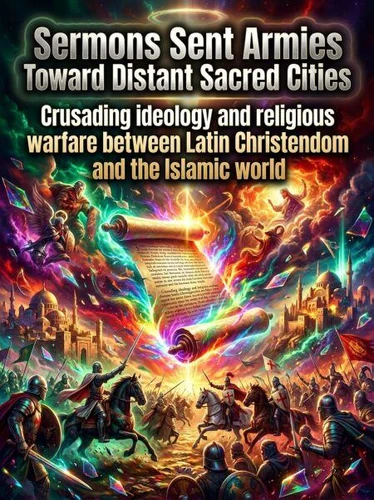
Sermons Sent Armies Toward Distant Sacred Cities. Crusading ideology and religious warfare between Latin Christendom and the Islamic world
Par :Formats :
Disponible dans votre compte client Decitre ou Furet du Nord dès validation de votre commande. Le format ePub est :
- Compatible avec une lecture sur My Vivlio (smartphone, tablette, ordinateur)
- Compatible avec une lecture sur liseuses Vivlio
- Pour les liseuses autres que Vivlio, vous devez utiliser le logiciel Adobe Digital Edition. Non compatible avec la lecture sur les liseuses Kindle, Remarkable et Sony
 , qui est-ce ?
Notre partenaire de plateforme de lecture numérique où vous retrouverez l'ensemble de vos ebooks gratuitement
Pour en savoir plus sur nos ebooks, consultez notre aide en ligne ici
C'est si simple ! Lisez votre ebook avec l'app Vivlio sur votre tablette, mobile ou ordinateur :

- Nombre de pages163
- FormatePub
- ISBN978-3-565-47855-2
- EAN9783565478552
- Date de parution05/06/2026
- Protection num.pas de protection
- Taille1 Mo
- Infos supplémentairesepub
- ÉditeurEmphaloz Publishing House
Résumé
The Crusades began as armed pilgrimages but quickly evolved into centuries of religious conflict shaped by theology, political ambition, and competing claims to sacred geography. Both Christian and Muslim societies framed war through spiritual obligation as much as territorial survival.
This book examines the ideological foundations of the Crusades from the late eleventh century onward. Papal promises of indulgence transformed military participation into an act of religious devotion within Latin Christendom, while Muslim leaders increasingly articulated concepts of defensive jihad in response to foreign occupation and regional instability.
Sacred authority became inseparable from military mobilization. The narrative also explores how religious rhetoric intensified political legitimacy. Kings, popes, emirs, and caliphs used holy war to strengthen alliances, consolidate internal authority, and rally fragmented populations. The struggle for Jerusalem and other sacred cities therefore carried symbolic importance far beyond strategic geography alone. The Crusades emerge here not simply as military campaigns, but as a prolonged confrontation between civilizations whose political systems increasingly interpreted faith itself through the language of conflict and survival.
Sacred authority became inseparable from military mobilization. The narrative also explores how religious rhetoric intensified political legitimacy. Kings, popes, emirs, and caliphs used holy war to strengthen alliances, consolidate internal authority, and rally fragmented populations. The struggle for Jerusalem and other sacred cities therefore carried symbolic importance far beyond strategic geography alone. The Crusades emerge here not simply as military campaigns, but as a prolonged confrontation between civilizations whose political systems increasingly interpreted faith itself through the language of conflict and survival.