Tessa Morgan is an English-language author who writes about mindfulness, emotional well-being, and personal transformation. Her books blend thoughtful reflection with modern psychological insights, encouraging readers to develop resilience, self-awareness, and a calmer relationship with everyday life. Her writing style is gentle, clear, and deeply relatable, with a focus on balance, growth, and inner clarity.
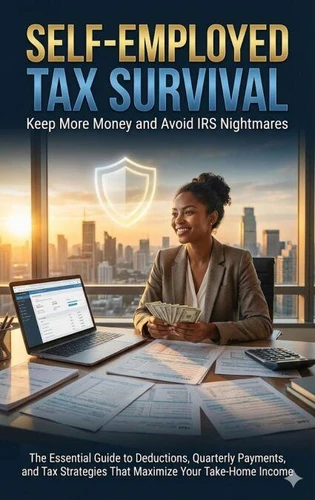
Self-Employed Tax Survival: Keep More Money and Avoid IRS Nightmares. The Essential Guide to Deductions, Quarterly Payments, and Tax Strategies That Maximize Your Take-Home Income
Par :Formats :
Disponible dans votre compte client Decitre ou Furet du Nord dès validation de votre commande. Le format ePub est :
- Compatible avec une lecture sur My Vivlio (smartphone, tablette, ordinateur)
- Compatible avec une lecture sur liseuses Vivlio
- Pour les liseuses autres que Vivlio, vous devez utiliser le logiciel Adobe Digital Edition. Non compatible avec la lecture sur les liseuses Kindle, Remarkable et Sony
 , qui est-ce ?
Notre partenaire de plateforme de lecture numérique où vous retrouverez l'ensemble de vos ebooks gratuitement
Pour en savoir plus sur nos ebooks, consultez notre aide en ligne ici
C'est si simple ! Lisez votre ebook avec l'app Vivlio sur votre tablette, mobile ou ordinateur :

- Nombre de pages166
- FormatePub
- ISBN978-3-565-13695-7
- EAN9783565136957
- Date de parution20/12/2025
- Protection num.pas de protection
- Taille245 Ko
- Infos supplémentairesepub
- ÉditeurEmphaloz Publishing House
Résumé
Your first year self-employed can end in sticker shock-or strategic savings that put thousands back in your pocket.
Most self-employed individuals overpay taxes by missing deductions or underpay and face penalties that wipe out months of profit. The difference isn't luck or expensive accountants-it's understanding self-employment tax basics that protect your income and keep you compliant.
This practical guide transforms tax confusion into confidence.
You'll learn exactly what self-employed taxes involve, how to track properly, what you can deduct, and how to avoid costly mistakes that trigger audits or penalties. You'll discover how to calculate and pay quarterly estimated taxes correctly, identify every legitimate business deduction you're missing, organize financial records that withstand IRS scrutiny, distinguish between personal and business expenses legally, and maximize deductions for home office, vehicle, and equipment. Learn the self-employment tax that catches new freelancers by surprise-the additional 15.3% beyond income tax.
Understand how quarterly payments work, when they're due, and how to avoid underpayment penalties that erase profit margins. This book exposes common tax mistakes self-employed people make-from mixing personal and business finances to inadequate record-keeping and claiming aggressive deductions without proper documentation. You'll understand where the line exists between legal tax reduction and risky tax evasion. Explore entity structure implications for taxes.
Discover when remaining a sole proprietor makes sense versus forming an LLC or S-corp for tax advantages. Understand how different structures affect your tax obligations, deductions, and administrative requirements. Master deduction categories most self-employed individuals miss-from professional development and software subscriptions to marketing expenses and retirement contributions. Learn documentation requirements that prove legitimacy if questioned.
You'll learn exactly what self-employed taxes involve, how to track properly, what you can deduct, and how to avoid costly mistakes that trigger audits or penalties. You'll discover how to calculate and pay quarterly estimated taxes correctly, identify every legitimate business deduction you're missing, organize financial records that withstand IRS scrutiny, distinguish between personal and business expenses legally, and maximize deductions for home office, vehicle, and equipment. Learn the self-employment tax that catches new freelancers by surprise-the additional 15.3% beyond income tax.
Understand how quarterly payments work, when they're due, and how to avoid underpayment penalties that erase profit margins. This book exposes common tax mistakes self-employed people make-from mixing personal and business finances to inadequate record-keeping and claiming aggressive deductions without proper documentation. You'll understand where the line exists between legal tax reduction and risky tax evasion. Explore entity structure implications for taxes.
Discover when remaining a sole proprietor makes sense versus forming an LLC or S-corp for tax advantages. Understand how different structures affect your tax obligations, deductions, and administrative requirements. Master deduction categories most self-employed individuals miss-from professional development and software subscriptions to marketing expenses and retirement contributions. Learn documentation requirements that prove legitimacy if questioned.