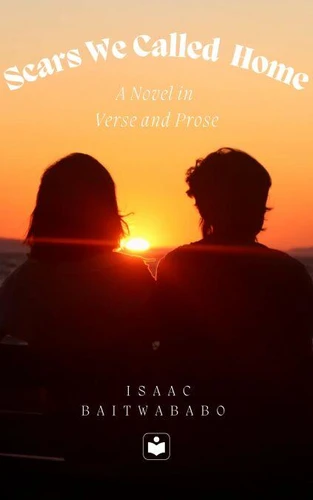
Scars We Called Home is a novel in verse and prose about two people who loved each other honestly and still could not stay. Told in alternating perspectives, the story follows The Withholder and The Expresser as they move from quiet safety to subtle erosion. Nothing catastrophic happens. No betrayal. No villain. Instead, the fracture grows in the space between logic and feeling, between silence and interpretation, between needing space and needing presence.
He believes restraint is protection. She believes conversation is connection. Both are right. Both are wrong. As months pass, small adjustments become architecture: texts shorten, questions go unanswered beneath the surface, preferences shrink to fit available space. What begins as care slowly becomes misalignment. The love is real. The incompatibility is real. And neither cancels the other. Blending psychological depth with lyrical precision, this novel examines emotional armor, self-erasure, pride, accommodation, and the quiet ways people disappear inside relationships without meaning to.
This is not a story about dramatic heartbreak. It is a story about two thoughtful adults who discover that love alone is not structural support. For readers who value introspection, emotional realism, and the courage of letting go, Scars We Called Home asks a difficult question:What if home was never the other person but the return to yourself?
Scars We Called Home is a novel in verse and prose about two people who loved each other honestly and still could not stay. Told in alternating perspectives, the story follows The Withholder and The Expresser as they move from quiet safety to subtle erosion. Nothing catastrophic happens. No betrayal. No villain. Instead, the fracture grows in the space between logic and feeling, between silence and interpretation, between needing space and needing presence.
He believes restraint is protection. She believes conversation is connection. Both are right. Both are wrong. As months pass, small adjustments become architecture: texts shorten, questions go unanswered beneath the surface, preferences shrink to fit available space. What begins as care slowly becomes misalignment. The love is real. The incompatibility is real. And neither cancels the other. Blending psychological depth with lyrical precision, this novel examines emotional armor, self-erasure, pride, accommodation, and the quiet ways people disappear inside relationships without meaning to.
This is not a story about dramatic heartbreak. It is a story about two thoughtful adults who discover that love alone is not structural support. For readers who value introspection, emotional realism, and the courage of letting go, Scars We Called Home asks a difficult question:What if home was never the other person but the return to yourself?