
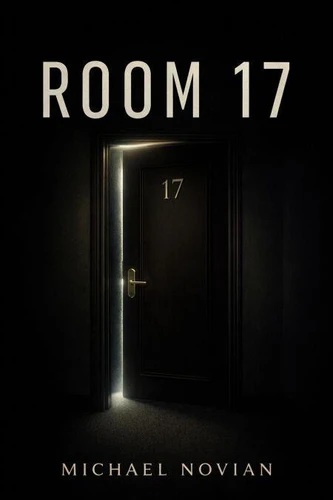
Room 17
Par :Formats :
Disponible dans votre compte client Decitre ou Furet du Nord dès validation de votre commande. Le format ePub est :
- Compatible avec une lecture sur My Vivlio (smartphone, tablette, ordinateur)
- Compatible avec une lecture sur liseuses Vivlio
- Pour les liseuses autres que Vivlio, vous devez utiliser le logiciel Adobe Digital Edition. Non compatible avec la lecture sur les liseuses Kindle, Remarkable et Sony
 , qui est-ce ?
Notre partenaire de plateforme de lecture numérique où vous retrouverez l'ensemble de vos ebooks gratuitement
Pour en savoir plus sur nos ebooks, consultez notre aide en ligne ici
C'est si simple ! Lisez votre ebook avec l'app Vivlio sur votre tablette, mobile ou ordinateur :

- FormatePub
- ISBN8235424951
- EAN9798235424951
- Date de parution13/05/2026
- Protection num.pas de protection
- Infos supplémentairesepub
- ÉditeurIoakim Ioakim
Résumé
Daniel only needs a room for the night. Room 17 looks ordinary: a made bed, a quiet desk, a lamp glowing beside the wall. Then he finds his own bag waiting near the chair. It should still be in his car. The strap is warm. The shirt inside is damp with coffee from the road. No one is hiding in the room. Nothing else has been disturbed. At first, the wrongness is small enough to doubt. A reflection that does not match.
A chair that seems closer than before. A keycard that changes position between glances. But Room 17 is not simply changing. It remembers what it is shown. It keeps what it accepts. And once something becomes part of the room, it does not let go. The more Daniel tries to understand the rules, the steadier the room becomes. Soon the horror is no longer in what changes, but in what stops changing-and in the ordinary world quietly closing around him until escape feels like something the room has already removed.
Room 17 is a slow-burn psychological horror novel about isolation, perception, and the terrifying moment reality no longer needs you to believe in it.
A chair that seems closer than before. A keycard that changes position between glances. But Room 17 is not simply changing. It remembers what it is shown. It keeps what it accepts. And once something becomes part of the room, it does not let go. The more Daniel tries to understand the rules, the steadier the room becomes. Soon the horror is no longer in what changes, but in what stops changing-and in the ordinary world quietly closing around him until escape feels like something the room has already removed.
Room 17 is a slow-burn psychological horror novel about isolation, perception, and the terrifying moment reality no longer needs you to believe in it.
A propos de michael novian


2,99 €
2,99 €
2,99 €
2,99 €
2,99 €
2,99 €
2,99 €
2,99 €
Null State
E-book
2,99 €
2,99 €
Zero Access
E-book
2,99 €
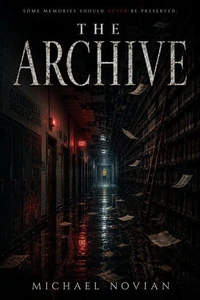
The Archive
E-book
2,99 €
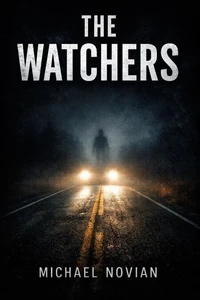
The Watchers
E-book
2,99 €