SOLDES
Jusqu'à -70% sur une sélection d'articles*

Nouveauté
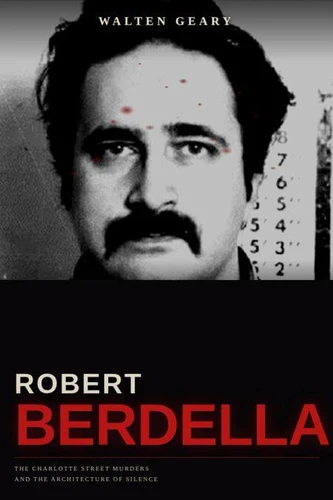
Robert Berdella, the Charlotte Street Murders, and the Architecture of Silence
Par :Formats :
Disponible dans votre compte client Decitre ou Furet du Nord dès validation de votre commande. Le format ePub est :
- Compatible avec une lecture sur My Vivlio (smartphone, tablette, ordinateur)
- Compatible avec une lecture sur liseuses Vivlio
- Pour les liseuses autres que Vivlio, vous devez utiliser le logiciel Adobe Digital Edition. Non compatible avec la lecture sur les liseuses Kindle, Remarkable et Sony
 , qui est-ce ?
Notre partenaire de plateforme de lecture numérique où vous retrouverez l'ensemble de vos ebooks gratuitement
Pour en savoir plus sur nos ebooks, consultez notre aide en ligne ici
C'est si simple ! Lisez votre ebook avec l'app Vivlio sur votre tablette, mobile ou ordinateur :

- FormatePub
- ISBN8233124600
- EAN9798233124600
- Date de parution28/06/2026
- Protection num.pas de protection
- Infos supplémentairesepub
- ÉditeurLinda Balsamo
Résumé
Robert Berdella, the Charlotte Street Murders, and the Architecture of Silence Between 1984 and 1988, six young men disappeared from the margins of Kansas City, Missouri. Nobody came looking. Nobody, that is, until a naked man with a broken foot and a dog collar around his neck leaped from a second-floor window and ran across Charlotte Street on an April morning in 1988, and the house he had fled was finally opened.
Inside 4315 Charlotte Street, investigators found not chaos but system: handwritten clinical journals, thousands of catalogued Polaroid photographs, a skull cleaned and stored in a bedroom closet, teeth preserved in labelled envelopes. Robert Berdella had murdered six men with the methodical precision of a practitioner, and he had documented everything. Walten Geary's forensic, compassionate, and unflinching account of the Berdella case is more than true crime.
It is a structural indictment of the social conditions, the institutional blindspots, the hierarchies of concern, the AIDS-era abandonment of a community, that allowed the crimes to continue for four years undetected. It is an argument about which lives are treated as emergencies and which are not. And it is, above all, an act of moral memory for six men whose names deserve to outlast the case that consumed them.
Inside 4315 Charlotte Street, investigators found not chaos but system: handwritten clinical journals, thousands of catalogued Polaroid photographs, a skull cleaned and stored in a bedroom closet, teeth preserved in labelled envelopes. Robert Berdella had murdered six men with the methodical precision of a practitioner, and he had documented everything. Walten Geary's forensic, compassionate, and unflinching account of the Berdella case is more than true crime.
It is a structural indictment of the social conditions, the institutional blindspots, the hierarchies of concern, the AIDS-era abandonment of a community, that allowed the crimes to continue for four years undetected. It is an argument about which lives are treated as emergencies and which are not. And it is, above all, an act of moral memory for six men whose names deserve to outlast the case that consumed them.