SOLDES
Jusqu'à -70% sur une sélection d'articles*
Dernière sortie
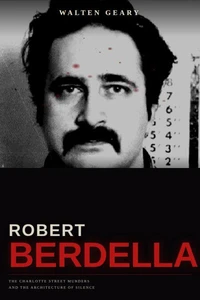
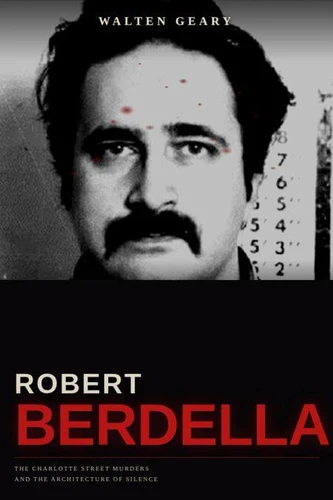
Robert Berdella, the Charlotte Street Murders, and the Architecture of Silence
Robert Berdella, the Charlotte Street Murders, and the Architecture of Silence Between 1984 and 1988, six young men disappeared from the margins of Kansas City, Missouri. Nobody came looking. Nobody, that is, until a naked man with a broken foot and a dog collar around his neck leaped from a second-floor window and ran across Charlotte Street on an April morning in 1988, and the house he had fled was finally opened.
Inside 4315 Charlotte Street, investigators found not chaos but system: handwritten clinical journals, thousands of catalogued Polaroid photographs, a skull cleaned and stored in a bedroom closet, teeth preserved in labelled envelopes. Robert Berdella had murdered six men with the methodical precision of a practitioner, and he had documented everything. Walten Geary's forensic, compassionate, and unflinching account of the Berdella case is more than true crime.
It is a structural indictment of the social conditions, the institutional blindspots, the hierarchies of concern, the AIDS-era abandonment of a community, that allowed the crimes to continue for four years undetected. It is an argument about which lives are treated as emergencies and which are not. And it is, above all, an act of moral memory for six men whose names deserve to outlast the case that consumed them.
Inside 4315 Charlotte Street, investigators found not chaos but system: handwritten clinical journals, thousands of catalogued Polaroid photographs, a skull cleaned and stored in a bedroom closet, teeth preserved in labelled envelopes. Robert Berdella had murdered six men with the methodical precision of a practitioner, and he had documented everything. Walten Geary's forensic, compassionate, and unflinching account of the Berdella case is more than true crime.
It is a structural indictment of the social conditions, the institutional blindspots, the hierarchies of concern, the AIDS-era abandonment of a community, that allowed the crimes to continue for four years undetected. It is an argument about which lives are treated as emergencies and which are not. And it is, above all, an act of moral memory for six men whose names deserve to outlast the case that consumed them.