SOLDES
Jusqu'à -70% sur une sélection d'articles*

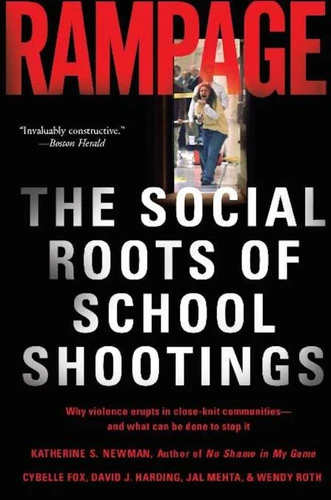
Rampage. The Social Roots of School Shootings
Par : , , , ,Formats :
Disponible dans votre compte client Decitre ou Furet du Nord dès validation de votre commande. Le format ePub protégé est :
- Compatible avec une lecture sur My Vivlio (smartphone, tablette, ordinateur)
- Compatible avec une lecture sur liseuses Vivlio
- Pour les liseuses autres que Vivlio, vous devez utiliser le logiciel Adobe Digital Edition. Non compatible avec la lecture sur les liseuses Kindle, Remarkable et Sony
- Non compatible avec un achat hors France métropolitaine
 , qui est-ce ?
Notre partenaire de plateforme de lecture numérique où vous retrouverez l'ensemble de vos ebooks gratuitement
Pour en savoir plus sur nos ebooks, consultez notre aide en ligne ici
C'est si simple ! Lisez votre ebook avec l'app Vivlio sur votre tablette, mobile ou ordinateur :

- Nombre de pages242
- FormatePub
- ISBN978-0-7867-2237-2
- EAN9780786722372
- Date de parution31/07/2008
- Protection num.Adobe DRM
- Infos supplémentairesepub
- ÉditeurBasic Books
Résumé
In the last decade, school shootings have decimated communities and terrified parents, teachers, and children in even the most "family friendly" American towns and suburbs. These tragedies appear to be the spontaneous acts of troubled, disconnected teens, but this important book argues that the roots of violence are deeply entwined in the communities themselves. Rampage challenges the "loner theory" of school violence, and shows why so many adults and students miss the warning signs that could prevent it.
Drawing on more than 200 interviews with town residents, distinguished sociologist Katherine Newman and her co-authors take the reader inside two of the most notorious school shootings of the 1990s, in Jonesboro, Arkansas, and Paducah, Kentucky. In a powerful and original analysis, she demonstrates that the organizational structure of schools "loses" information about troubled kids, and the very closeness of these small rural towns restrained neighbors and friends from communicating what they knew about their problems.
Her conclusions shed light on the ties that bind in small-town America.
Drawing on more than 200 interviews with town residents, distinguished sociologist Katherine Newman and her co-authors take the reader inside two of the most notorious school shootings of the 1990s, in Jonesboro, Arkansas, and Paducah, Kentucky. In a powerful and original analysis, she demonstrates that the organizational structure of schools "loses" information about troubled kids, and the very closeness of these small rural towns restrained neighbors and friends from communicating what they knew about their problems.
Her conclusions shed light on the ties that bind in small-town America.