Hannah Arendt (1906-1975) est considérée comme l'une des plus grandes philosophes du XXe siècle. On compte parmi ses grands textes Les Origines du totalitarisme, L'Humaine Condition et, plus récemment, Ecrits juifs.
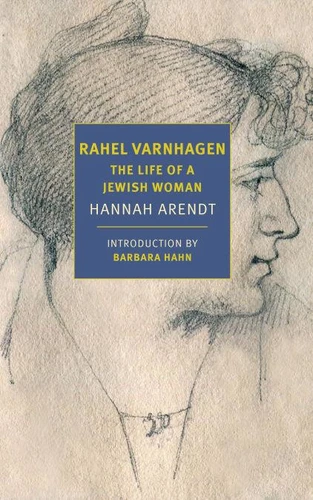
Rahel Varnhagen. The Life of a Jewish Woman
Par : , , ,Formats :
Disponible dans votre compte client Decitre ou Furet du Nord dès validation de votre commande. Le format ePub protégé est :
- Compatible avec une lecture sur My Vivlio (smartphone, tablette, ordinateur)
- Compatible avec une lecture sur liseuses Vivlio
- Pour les liseuses autres que Vivlio, vous devez utiliser le logiciel Adobe Digital Edition. Non compatible avec la lecture sur les liseuses Kindle, Remarkable et Sony
- Non compatible avec un achat hors France métropolitaine
 , qui est-ce ?
Notre partenaire de plateforme de lecture numérique où vous retrouverez l'ensemble de vos ebooks gratuitement
Pour en savoir plus sur nos ebooks, consultez notre aide en ligne ici
C'est si simple ! Lisez votre ebook avec l'app Vivlio sur votre tablette, mobile ou ordinateur :

- Nombre de pages272
- FormatePub
- ISBN978-1-68137-590-8
- EAN9781681375908
- Date de parution22/02/2022
- Protection num.Adobe DRM
- Taille1 Mo
- Infos supplémentairesepub
- ÉditeurNYRB Classics
Résumé
A biography of a Jewish woman, a writer who hosted a literary and political salon in late eighteenth- and early nineteenth-century Germany, written by one of the twentieth century's most prominent intellectuals, Hannah Arendt. Rahel Varnhagen: The Life of a Jewish Woman was Hannah Arendt's first book, largely completed when she went into exile from Germany in 1933, though not published until the 1950s.
It is the biography of a remarkable, complicated, passionate woman, and an important figure in German romanticism. Rahel Varnhagen also bore the burdens of being an unusual woman in a man's world and an assimilated Jew in Germany. She was, Arendt writes, "neither beautiful nor attractive .
It is the biography of a remarkable, complicated, passionate woman, and an important figure in German romanticism. Rahel Varnhagen also bore the burdens of being an unusual woman in a man's world and an assimilated Jew in Germany. She was, Arendt writes, "neither beautiful nor attractive .
A propos de Hannah Arendt
10,00 €

5,99 €

6,50 €


9,90 €
12,60 €



4/5
8,00 €


8,50 €


10,20 €



8,90 €