Mae Collinsworth is a nonfiction author known for writing thoughtful books on relationships, emotional healing, and personal transformation. Her warm and approachable style blends psychological insight with everyday reflection, helping readers navigate change with greater confidence and self-understanding.
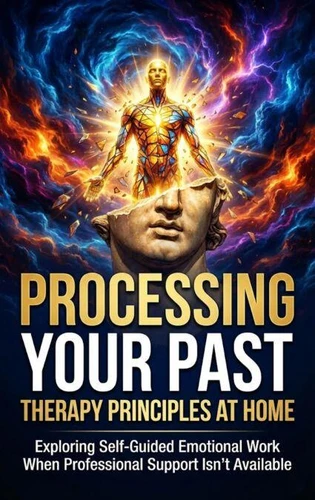
Processing Your Past: Therapy Principles at Home. Exploring Self-Guided Emotional Work When Professional Support Isn't Available
Par :Formats :
Disponible dans votre compte client Decitre ou Furet du Nord dès validation de votre commande. Le format ePub est :
- Compatible avec une lecture sur My Vivlio (smartphone, tablette, ordinateur)
- Compatible avec une lecture sur liseuses Vivlio
- Pour les liseuses autres que Vivlio, vous devez utiliser le logiciel Adobe Digital Edition. Non compatible avec la lecture sur les liseuses Kindle, Remarkable et Sony
 , qui est-ce ?
Notre partenaire de plateforme de lecture numérique où vous retrouverez l'ensemble de vos ebooks gratuitement
Pour en savoir plus sur nos ebooks, consultez notre aide en ligne ici
C'est si simple ! Lisez votre ebook avec l'app Vivlio sur votre tablette, mobile ou ordinateur :

- Nombre de pages177
- FormatePub
- ISBN978-3-565-23392-2
- EAN9783565233922
- Date de parution10/02/2026
- Protection num.pas de protection
- Taille2 Mo
- Infos supplémentairesepub
- ÉditeurEmphaloz Publishing House
Résumé
Emotional processing doesn't always require a therapist-but it does require understanding. This book examines the psychological principles behind working through past experiences, exploring how unresolved emotions continue influencing present reactions, why avoidance feels safer than facing difficult memories, and what happens when we attempt emotional work without professional guidance. Through understanding how the nervous system processes and stores experience, why some memories remain activated while others settle, and how to create internal safety for revisiting pain, this work offers insight into self-guided emotional exploration.
Rather than replacing therapy or promising complete healing through self-work alone, it invites readers to explore what therapeutic principles look like in daily practice, how to recognize when professional support becomes necessary, and why pacing matters more than pushing through. For anyone seeking to understand their emotional patterns but unable to access therapy, or who wants to complement professional work with home practice, this book examines the possibilities and limitations of processing pain alone.
Rather than replacing therapy or promising complete healing through self-work alone, it invites readers to explore what therapeutic principles look like in daily practice, how to recognize when professional support becomes necessary, and why pacing matters more than pushing through. For anyone seeking to understand their emotional patterns but unable to access therapy, or who wants to complement professional work with home practice, this book examines the possibilities and limitations of processing pain alone.