SOLDES
Jusqu'à -70% sur une sélection d'articles*

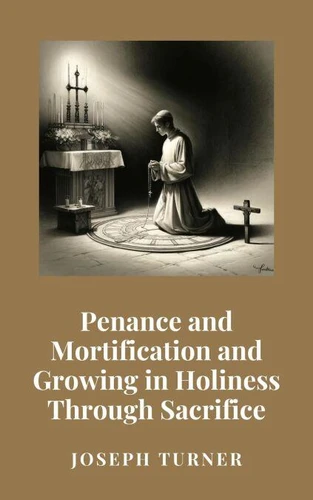
Penance and Mortification and Growing in Holiness Through Sacrifice
Par :Formats :
Disponible dans votre compte client Decitre ou Furet du Nord dès validation de votre commande. Le format ePub est :
- Compatible avec une lecture sur My Vivlio (smartphone, tablette, ordinateur)
- Compatible avec une lecture sur liseuses Vivlio
- Pour les liseuses autres que Vivlio, vous devez utiliser le logiciel Adobe Digital Edition. Non compatible avec la lecture sur les liseuses Kindle, Remarkable et Sony
 , qui est-ce ?
Notre partenaire de plateforme de lecture numérique où vous retrouverez l'ensemble de vos ebooks gratuitement
Pour en savoir plus sur nos ebooks, consultez notre aide en ligne ici
C'est si simple ! Lisez votre ebook avec l'app Vivlio sur votre tablette, mobile ou ordinateur :

- FormatePub
- ISBN8230328858
- EAN9798230328858
- Date de parution22/02/2025
- Protection num.pas de protection
- Infos supplémentairesepub
- ÉditeurIndependently Published
Résumé
The call to holiness through penance and mortification has been a fundamental theme in Christian spirituality from its earliest days. Rooted in the Scriptures, developed by the Church Fathers, and expounded upon by the great Doctors of the Church, these practices have shaped the spiritual lives of countless saints and faithful throughout history. The understanding of sacrifice as a means of purification and union with God is not merely a human invention but a divine mandate, woven into the fabric of divine revelation.
The Old Testament already sets the stage for this profound reality, where sacrifice and self-denial play a pivotal role in the covenantal relationship between God and His people. From the Levitical priesthood to the asceticism of the prophets, penance was seen as necessary for atonement and spiritual renewal. The Israelites, through fasting, sackcloth, and ashes, demonstrated their repentance before the Almighty, acknowledging sin and seeking reconciliation.
The Psalms, particularly Psalm 51, embody the penitential spirit that would later find its perfect fulfillment in the New Covenant, as David cries out, "A broken and contrite heart, O God, you will not despise" (Psalm 51:17).
The Old Testament already sets the stage for this profound reality, where sacrifice and self-denial play a pivotal role in the covenantal relationship between God and His people. From the Levitical priesthood to the asceticism of the prophets, penance was seen as necessary for atonement and spiritual renewal. The Israelites, through fasting, sackcloth, and ashes, demonstrated their repentance before the Almighty, acknowledging sin and seeking reconciliation.
The Psalms, particularly Psalm 51, embody the penitential spirit that would later find its perfect fulfillment in the New Covenant, as David cries out, "A broken and contrite heart, O God, you will not despise" (Psalm 51:17).
A propos de Joseph Turner
2,99 €

2,99 €
2,99 €
2,99 €