SOLDES
Jusqu'à -70% sur une sélection d'articles*

Nouveauté
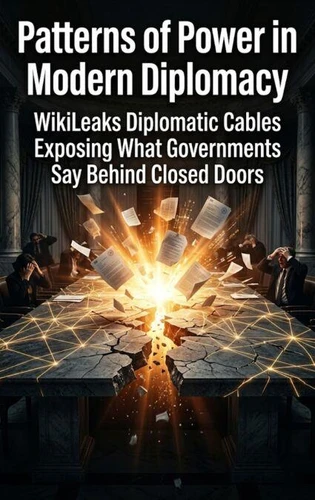
Patterns of Power in Modern Diplomacy. WikiLeaks Diplomatic Cables Exposing What Governments Say Behind Closed Doors
Par :Formats :
Disponible dans votre compte client Decitre ou Furet du Nord dès validation de votre commande. Le format ePub est :
- Compatible avec une lecture sur My Vivlio (smartphone, tablette, ordinateur)
- Compatible avec une lecture sur liseuses Vivlio
- Pour les liseuses autres que Vivlio, vous devez utiliser le logiciel Adobe Digital Edition. Non compatible avec la lecture sur les liseuses Kindle, Remarkable et Sony
 , qui est-ce ?
Notre partenaire de plateforme de lecture numérique où vous retrouverez l'ensemble de vos ebooks gratuitement
Pour en savoir plus sur nos ebooks, consultez notre aide en ligne ici
C'est si simple ! Lisez votre ebook avec l'app Vivlio sur votre tablette, mobile ou ordinateur :

- Nombre de pages199
- FormatePub
- ISBN978-3-565-45571-3
- EAN9783565455713
- Date de parution23/05/2026
- Protection num.pas de protection
- Taille1 Mo
- Infos supplémentairesepub
- ÉditeurEmphaloz Publishing House
Résumé
This book examines how power structures shift when confidential diplomatic communications become public, using the WikiLeaks cable release to reveal the effects of exposed backroom negotiations on international trust, state behavior, and the calculus of secret diplomacy. The analysis explores how the exposure of hidden communications altered assumptions about confidentiality, reshaped diplomatic incentives, and forced governments to reassess the risks of candid internal reporting.
The leak revealed the routine flow of confidential assessments, showing how ambassadors regularly transmitted candid evaluations of foreign leaders, geopolitical risks, and security threats through diplomatic channels.
This transformation of private analysis into public information demonstrated how deeply diplomacy depended on assumptions of secrecy and how breaches could weaken trust in internal communication systems. Decision-making hierarchies became visible when cables showed that officials instructed diplomats to gather sensitive information from representatives at the United Nations, revealing top-down directives that blurred the boundary between diplomacy and intelligence gathering.
The exposure of these practices highlighted how formal command structures could override legal or diplomatic norms when secrecy was presumed to protect operations from scrutiny. Together, these dynamics demonstrate how breaches of diplomatic secrecy can reshape international trust, alter negotiation behavior, and pressure states to reconsider the balance between operational confidentiality and public accountability.
The episode also suggests that European and international institutions must continuously reassess oversight systems for intelligence and diplomatic networks as digital transparency increasingly challenges traditional models of state secrecy.
This transformation of private analysis into public information demonstrated how deeply diplomacy depended on assumptions of secrecy and how breaches could weaken trust in internal communication systems. Decision-making hierarchies became visible when cables showed that officials instructed diplomats to gather sensitive information from representatives at the United Nations, revealing top-down directives that blurred the boundary between diplomacy and intelligence gathering.
The exposure of these practices highlighted how formal command structures could override legal or diplomatic norms when secrecy was presumed to protect operations from scrutiny. Together, these dynamics demonstrate how breaches of diplomatic secrecy can reshape international trust, alter negotiation behavior, and pressure states to reconsider the balance between operational confidentiality and public accountability.
The episode also suggests that European and international institutions must continuously reassess oversight systems for intelligence and diplomatic networks as digital transparency increasingly challenges traditional models of state secrecy.