SOLDES
Jusqu'à -70% sur une sélection d'articles*

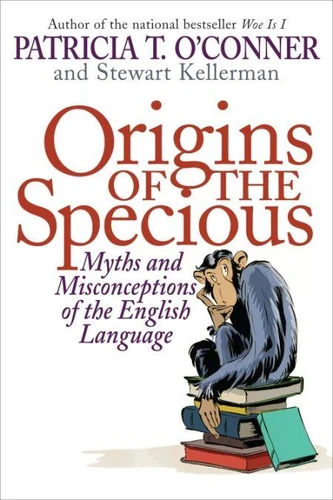
Origins of the Specious. Myths and Misconceptions of the English Language
Par : ,Formats :
Disponible dans votre compte client Decitre ou Furet du Nord dès validation de votre commande. Le format ePub protégé est :
- Compatible avec une lecture sur My Vivlio (smartphone, tablette, ordinateur)
- Compatible avec une lecture sur liseuses Vivlio
- Pour les liseuses autres que Vivlio, vous devez utiliser le logiciel Adobe Digital Edition. Non compatible avec la lecture sur les liseuses Kindle, Remarkable et Sony
- Non compatible avec un achat hors France métropolitaine
 , qui est-ce ?
Notre partenaire de plateforme de lecture numérique où vous retrouverez l'ensemble de vos ebooks gratuitement
Pour en savoir plus sur nos ebooks, consultez notre aide en ligne ici
C'est si simple ! Lisez votre ebook avec l'app Vivlio sur votre tablette, mobile ou ordinateur :

- Nombre de pages288
- FormatePub
- ISBN978-1-58836-856-0
- EAN9781588368560
- Date de parution05/05/2009
- Protection num.Adobe DRM
- Taille2 Mo
- Infos supplémentairesepub
- ÉditeurRandom House
Résumé
Do you cringe when a talking head pronounces "niche" as NITCH? Do you get bent out of shape when your teenager begins a sentence with "and"? Do you think British spellings are more "civilised" than the American versions? If you answered yes to any of those questions, you're myth-informed. In Origins of the Specious, word mavens Patricia T. O'Conner and Stewart Kellerman reveal why some of grammar's best-known "rules" aren't-and never were-rules at all.
This playfully witty, rigorously researched book sets the record straight about bogus word origins, politically correct fictions, phony français, fake acronyms, and more. Here are some shockers: "They" was once commonly used for both singular and plural, much the way "you" is today. And an eighteenth-century female grammarian, of all people, is largely responsible for the all-purpose "he." From the Queen's English to street slang, this eye-opening romp will be the toast of grammarphiles and the salvation of grammarphobes.
Take our word for it.
This playfully witty, rigorously researched book sets the record straight about bogus word origins, politically correct fictions, phony français, fake acronyms, and more. Here are some shockers: "They" was once commonly used for both singular and plural, much the way "you" is today. And an eighteenth-century female grammarian, of all people, is largely responsible for the all-purpose "he." From the Queen's English to street slang, this eye-opening romp will be the toast of grammarphiles and the salvation of grammarphobes.
Take our word for it.