
Nouveauté
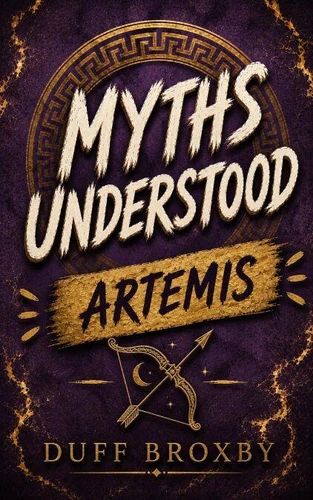
MythsUnderstood: Artemis. MythsUnderstood, #3
Par :Formats :
Disponible dans votre compte client Decitre ou Furet du Nord dès validation de votre commande. Le format ePub est :
- Compatible avec une lecture sur My Vivlio (smartphone, tablette, ordinateur)
- Compatible avec une lecture sur liseuses Vivlio
- Pour les liseuses autres que Vivlio, vous devez utiliser le logiciel Adobe Digital Edition. Non compatible avec la lecture sur les liseuses Kindle, Remarkable et Sony
 , qui est-ce ?
Notre partenaire de plateforme de lecture numérique où vous retrouverez l'ensemble de vos ebooks gratuitement
Pour en savoir plus sur nos ebooks, consultez notre aide en ligne ici
C'est si simple ! Lisez votre ebook avec l'app Vivlio sur votre tablette, mobile ou ordinateur :

- FormatePub
- ISBN8235136168
- EAN9798235136168
- Date de parution08/07/2026
- Protection num.pas de protection
- Infos supplémentairesepub
- ÉditeurIoakim Ioakim
Résumé
Artemis was born first. Before she had a name, before she had lived a single hour, her mother asked her for help. So Artemis did what she would spend the rest of her existence doing: she became competent. She delivered her own twin brother. She learned early that being capable was often mistaken for being available-and that if she wanted any part of her life to belong to her, she would have to claim it explicitly.
So she made a list. A bow. Hounds. The mountains. A household of women who chose the same freedom she did. And one promise from her father, Zeus: she would never have to marry. He said yes. The problem was that almost nobody believed she meant it. For thousands of years, Artemis has been turned into a contradiction other people find easier to understand than the woman herself. The eternal virgin who protects childbirth.
The solitary huntress surrounded by companions. The goddess of choice remembered for punishing anyone who violated her rules. There are stories everyone knows. Actaeon saw her bathing, so she turned him into a stag. Callisto broke her vow, so Artemis cast her out. Simple stories. Clean stories. They are also incomplete. Because Artemis did build the life she wanted. She found women who chose it with her.
She loved her brother, even when loving him became complicated. She created a home founded on the belief that nobody should have her future decided for her. And then, when the person closest to her needed that belief most, Artemis failed to live by it. Now, after four thousand years of being watched, interpreted, desired, judged, and endlessly expected to change her mind, Artemis is finally telling her own story.
Not to ask forgiveness. Not to make herself easier to like. Simply to tell the truth as accurately as she can. The gods have been misunderstood for long enough.
So she made a list. A bow. Hounds. The mountains. A household of women who chose the same freedom she did. And one promise from her father, Zeus: she would never have to marry. He said yes. The problem was that almost nobody believed she meant it. For thousands of years, Artemis has been turned into a contradiction other people find easier to understand than the woman herself. The eternal virgin who protects childbirth.
The solitary huntress surrounded by companions. The goddess of choice remembered for punishing anyone who violated her rules. There are stories everyone knows. Actaeon saw her bathing, so she turned him into a stag. Callisto broke her vow, so Artemis cast her out. Simple stories. Clean stories. They are also incomplete. Because Artemis did build the life she wanted. She found women who chose it with her.
She loved her brother, even when loving him became complicated. She created a home founded on the belief that nobody should have her future decided for her. And then, when the person closest to her needed that belief most, Artemis failed to live by it. Now, after four thousand years of being watched, interpreted, desired, judged, and endlessly expected to change her mind, Artemis is finally telling her own story.
Not to ask forgiveness. Not to make herself easier to like. Simply to tell the truth as accurately as she can. The gods have been misunderstood for long enough.
A propos de Duff Broxby

11,49 €
11,49 €
4,49 €
4,49 €
4,49 €
4,49 €
4,49 €
4,49 €
4,49 €
4,49 €
4,49 €
4,49 €
4,49 €
3,49 €