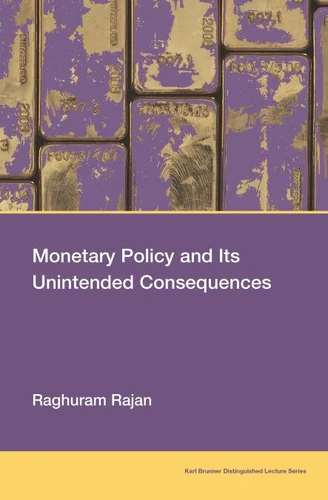
A call for an end to aggressive monetary policy and a return to smart growth from an eminent researcher and former central banker. Central banks took extraordinary measures to stabilize markets and enhance growth after the financial crisis of 2008, but without giving much thought to the long-term consequences. It was a response, Raghuram Rajan argues, that set a dangerous precedent: the more centrals bank did, the more they were expected to do, and the more they ended up doing.
Monetary Policy and Its Unintended Consequences looks back at what this meant for where we are now. A former central banker who foresaw the 2008 crisis and wrote a bestselling book about the risks of excessively accommodative monetary policy, Rajan takes a hard look at central bank behavior and its embrace of increasingly aggressive strategies to keep economies afloat. Despite efforts to strengthen markets, the 2020 pandemic showed economies remain as vulnerable as ever to adverse shocks, prompting large-scale interventions that, in the case of Covid, led to persistent inflation and market volatility.
By examining these undertheorized outcomes, Rajan hopes central banks will recognize the unintended consequences of using all of the instruments available to them, which will encourage them to return to their core mandates of low inflation and financial stability. Monetary Policy and Its Unintended Consequences is the most thorough account yet of the choices central banks have made to meet the economic challenges of our century and why they must rethink these choices.
A call for an end to aggressive monetary policy and a return to smart growth from an eminent researcher and former central banker. Central banks took extraordinary measures to stabilize markets and enhance growth after the financial crisis of 2008, but without giving much thought to the long-term consequences. It was a response, Raghuram Rajan argues, that set a dangerous precedent: the more centrals bank did, the more they were expected to do, and the more they ended up doing.
Monetary Policy and Its Unintended Consequences looks back at what this meant for where we are now. A former central banker who foresaw the 2008 crisis and wrote a bestselling book about the risks of excessively accommodative monetary policy, Rajan takes a hard look at central bank behavior and its embrace of increasingly aggressive strategies to keep economies afloat. Despite efforts to strengthen markets, the 2020 pandemic showed economies remain as vulnerable as ever to adverse shocks, prompting large-scale interventions that, in the case of Covid, led to persistent inflation and market volatility.
By examining these undertheorized outcomes, Rajan hopes central banks will recognize the unintended consequences of using all of the instruments available to them, which will encourage them to return to their core mandates of low inflation and financial stability. Monetary Policy and Its Unintended Consequences is the most thorough account yet of the choices central banks have made to meet the economic challenges of our century and why they must rethink these choices.

 , qui est-ce ?