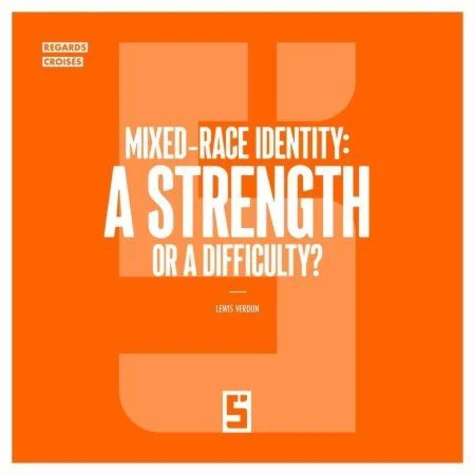
This mini book, part of the REGARDS CROISÉS collection published by Five Minutes, analyses the phenomenon of mixed race identity using the most recent demographic data (2021 2025) and sociological and psychological research. While the multiracial population is booming - 10 % of Americans and nearly a fifth of Texans now identify with two or more races - the book argues that métissage does not automatically erase racial hierarchies.
Drawing on studies from Frontiers in Psychology, the Milbank Quarterly and Mental Health America, it describes identity tensions, discrimination and increased risks of mental health problems faced by mixed race people. Yet it also highlights the strengths of métissage : adaptability, creativity, resilience and the ability to navigate multiple cultures. Finally, it calls for improved data collection, inclusive mental health policies and rejection of the myth of happy métissage in order to recognise existing power relations.
This book offers a nuanced synthesis that helps readers understand the challenges and assets of multiracial identities.
This mini book, part of the REGARDS CROISÉS collection published by Five Minutes, analyses the phenomenon of mixed race identity using the most recent demographic data (2021 2025) and sociological and psychological research. While the multiracial population is booming - 10 % of Americans and nearly a fifth of Texans now identify with two or more races - the book argues that métissage does not automatically erase racial hierarchies.
Drawing on studies from Frontiers in Psychology, the Milbank Quarterly and Mental Health America, it describes identity tensions, discrimination and increased risks of mental health problems faced by mixed race people. Yet it also highlights the strengths of métissage : adaptability, creativity, resilience and the ability to navigate multiple cultures. Finally, it calls for improved data collection, inclusive mental health policies and rejection of the myth of happy métissage in order to recognise existing power relations.
This book offers a nuanced synthesis that helps readers understand the challenges and assets of multiracial identities.


 , qui est-ce ?