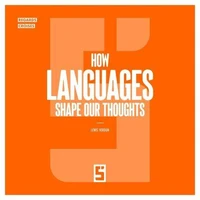
In the era of digital platforms, online learning has become the new norm. Yet behind this revolution lies a crucial question : are we ready to learn everything from behind a screen ? In this mini book from the CONNECTED WORLDS collection, published by Five Minutes, the author analyses the most recent data (2024-2025) to separate fact from hype. She shows that e learning offers flexibility, lower costs and personalised pathways, but also generates new challenges : a persistent digital divide, high drop out rates, cognitive fatigue and a need for human support.
At the heart of the debate are micro credentials, artificial intelligence and the digital use divide, three trends that are redefining our relationship to knowledge and work. With concrete examples and credible studies, this book answers the questions that students, professionals and policymakers are asking : which subjects lend themselves to online learning ? How can we prevent digital exclusion ? Which skills will be essential tomorrow ? By shedding light on the successes and limitations of digital learning, the author invites every reader to take action for a future in which technology complements-without replacing-the human experience.
Don't miss this enlightening and engaging book that will give you the keys to navigating the hyper connected world of education.
In the era of digital platforms, online learning has become the new norm. Yet behind this revolution lies a crucial question : are we ready to learn everything from behind a screen ? In this mini book from the CONNECTED WORLDS collection, published by Five Minutes, the author analyses the most recent data (2024-2025) to separate fact from hype. She shows that e learning offers flexibility, lower costs and personalised pathways, but also generates new challenges : a persistent digital divide, high drop out rates, cognitive fatigue and a need for human support.
At the heart of the debate are micro credentials, artificial intelligence and the digital use divide, three trends that are redefining our relationship to knowledge and work. With concrete examples and credible studies, this book answers the questions that students, professionals and policymakers are asking : which subjects lend themselves to online learning ? How can we prevent digital exclusion ? Which skills will be essential tomorrow ? By shedding light on the successes and limitations of digital learning, the author invites every reader to take action for a future in which technology complements-without replacing-the human experience.
Don't miss this enlightening and engaging book that will give you the keys to navigating the hyper connected world of education.