Meissonier. Capturing Realism: A Scholarly Exploration of Meissonier's Artistic Techniques and Historical Significance
Par : , ,Formats :
Disponible dans votre compte client Decitre ou Furet du Nord dès validation de votre commande. Le format ePub est :
- Compatible avec une lecture sur My Vivlio (smartphone, tablette, ordinateur)
- Compatible avec une lecture sur liseuses Vivlio
- Pour les liseuses autres que Vivlio, vous devez utiliser le logiciel Adobe Digital Edition. Non compatible avec la lecture sur les liseuses Kindle, Remarkable et Sony
 , qui est-ce ?
Notre partenaire de plateforme de lecture numérique où vous retrouverez l'ensemble de vos ebooks gratuitement
Pour en savoir plus sur nos ebooks, consultez notre aide en ligne ici
C'est si simple ! Lisez votre ebook avec l'app Vivlio sur votre tablette, mobile ou ordinateur :

- Nombre de pages431
- FormatePub
- ISBN406-4-06-623533-8
- EAN4064066235338
- Date de parution06/12/2019
- Protection num.Digital Watermarking
- Taille903 Ko
- Infos supplémentairesepub
- ÉditeurGOOD PRESS
Résumé
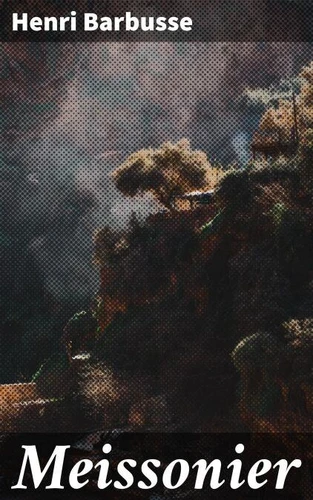
In 'Meissonier', Henri Barbusse presents a profound exploration of the life and artistic contributions of the renowned 19th-century French painter, Jean-Louis Ernest Meissonier. With a blend of biography and critical analysis, Barbusse employs a lyrical yet incisive prose style that reflects the impressionistic qualities of Meissonier's own paintings. The book serves as both an homage and a critical examination, situating Meissonier within the broader context of art history and the shifting paradigms of realism and idealism during his era.
Barbusse's keen sensitivity to visual art is palpable, as he delves into the intricacies of Meissonier's techniques and thematic choices, enhancing our understanding of the interplay between art and society in post-Revolutionary France. Henri Barbusse, a prominent figure in early 20th-century literature, was deeply influenced by his experiences in World War I and his subsequent embrace of pacifism and socialism.
His background as a journalist and a novelist who grappled with themes of social justice and human experience undoubtedly informed his approach to documenting Meissonier's life. By bridging the worlds of literature and visual art, Barbusse was able to articulate not only the aesthetic dimensions of Meissonier's work but also the socio-political issues that pervaded his time. This book is highly recommended for scholars, art enthusiasts, and general readers alike, as it unravels the complexities of a significant yet often overlooked figure in French art.
'Meissonier' invites readers to appreciate the symbiotic relationship between life and art, while also offering a lens through which to better understand the historical forces that shape creativity. Barbusse's masterful prose ensures that this work remains a vital contribution to both literary and art criticism.
Barbusse's keen sensitivity to visual art is palpable, as he delves into the intricacies of Meissonier's techniques and thematic choices, enhancing our understanding of the interplay between art and society in post-Revolutionary France. Henri Barbusse, a prominent figure in early 20th-century literature, was deeply influenced by his experiences in World War I and his subsequent embrace of pacifism and socialism.
His background as a journalist and a novelist who grappled with themes of social justice and human experience undoubtedly informed his approach to documenting Meissonier's life. By bridging the worlds of literature and visual art, Barbusse was able to articulate not only the aesthetic dimensions of Meissonier's work but also the socio-political issues that pervaded his time. This book is highly recommended for scholars, art enthusiasts, and general readers alike, as it unravels the complexities of a significant yet often overlooked figure in French art.
'Meissonier' invites readers to appreciate the symbiotic relationship between life and art, while also offering a lens through which to better understand the historical forces that shape creativity. Barbusse's masterful prose ensures that this work remains a vital contribution to both literary and art criticism.