SOLDES
Jusqu'à -70% sur une sélection d'articles*

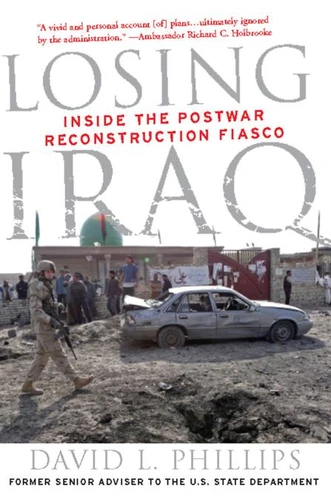
Losing Iraq. Inside the Postwar Reconstruction Fiasco
Par :Formats :
Disponible dans votre compte client Decitre ou Furet du Nord dès validation de votre commande. Le format ePub protégé est :
- Compatible avec une lecture sur My Vivlio (smartphone, tablette, ordinateur)
- Compatible avec une lecture sur liseuses Vivlio
- Pour les liseuses autres que Vivlio, vous devez utiliser le logiciel Adobe Digital Edition. Non compatible avec la lecture sur les liseuses Kindle, Remarkable et Sony
- Non compatible avec un achat hors France métropolitaine
 , qui est-ce ?
Notre partenaire de plateforme de lecture numérique où vous retrouverez l'ensemble de vos ebooks gratuitement
Pour en savoir plus sur nos ebooks, consultez notre aide en ligne ici
C'est si simple ! Lisez votre ebook avec l'app Vivlio sur votre tablette, mobile ou ordinateur :

- Nombre de pages304
- FormatePub
- ISBN978-0-7867-3620-1
- EAN9780786736201
- Date de parution27/04/2009
- Protection num.Adobe DRM
- Infos supplémentairesepub
- ÉditeurBasic Books
Résumé
According to conventional wisdom, Iraq has suffered because the Bush administration had no plan for reconstruction. That's not the case; the State Department's Future of Iraq group planned out the situation carefully and extensively, and Middle East expert David Phillips was part of this group. White House ideologues and imprudent Pentagon officials decided simply to ignore those plans. The administration only listened to what it wanted to hear.
Losing Iraq doesn't't just criticize the policies of unilateralism, preemption, and possible deception that launched the war; it documents the process of returning sovereignty to an occupied Iraq. Unique, as well, are Phillips's personal accounts of dissension within the administration. The problems encountered in Iraq are troubling not only in themselves but also because they bode ill for other nation-building efforts in which the U.
S. may become mired through this administration's doctrine of unilateral, preemptive war. Losing Iraq looks into the future of America's foreign policy with a clear-eyed critique of the problems that loom ahead.
Losing Iraq doesn't't just criticize the policies of unilateralism, preemption, and possible deception that launched the war; it documents the process of returning sovereignty to an occupied Iraq. Unique, as well, are Phillips's personal accounts of dissension within the administration. The problems encountered in Iraq are troubling not only in themselves but also because they bode ill for other nation-building efforts in which the U.
S. may become mired through this administration's doctrine of unilateral, preemptive war. Losing Iraq looks into the future of America's foreign policy with a clear-eyed critique of the problems that loom ahead.