SOLDES
Jusqu'à -70% sur une sélection d'articles*

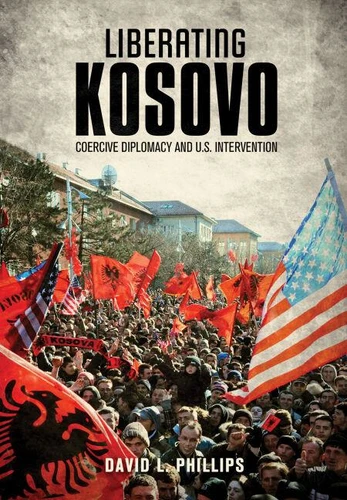
Liberating Kosovo. Coercive Diplomacy and U. S. Intervention
Par : ,Formats :
Disponible dans votre compte client Decitre ou Furet du Nord dès validation de votre commande. Le format ePub protégé est :
- Compatible avec une lecture sur My Vivlio (smartphone, tablette, ordinateur)
- Compatible avec une lecture sur liseuses Vivlio
- Pour les liseuses autres que Vivlio, vous devez utiliser le logiciel Adobe Digital Edition. Non compatible avec la lecture sur les liseuses Kindle, Remarkable et Sony
- Non compatible avec un achat hors France métropolitaine
 , qui est-ce ?
Notre partenaire de plateforme de lecture numérique où vous retrouverez l'ensemble de vos ebooks gratuitement
Pour en savoir plus sur nos ebooks, consultez notre aide en ligne ici
C'est si simple ! Lisez votre ebook avec l'app Vivlio sur votre tablette, mobile ou ordinateur :

- Nombre de pages256
- FormatePub
- ISBN978-0-262-30512-9
- EAN9780262305129
- Date de parution20/07/2012
- Protection num.Adobe DRM
- Taille372 Ko
- Infos supplémentairesepub
- ÉditeurThe MIT Press
Résumé
A compelling account of the diplomatic and military actions that led to Kosovo's independence and their implications for future U. S. and UN interventions. Kosovo, after its incorporation into the Serbian Republic of Yugoslavia, became increasingly restive during the 1990s as Yugoslavia plunged into internal war and Kosovo's ethnic Albanian residents (Kosovars) sought autonomy. In March 1999, NATO forces began airstrikes against targets in Kosovo and Serbia in an effort to protect Kosovars against persecution.
The bombing campaign ended in June 1999, and Kosovo was placed under transitional UN administration while negotiations on its status ensued. Kosovo eventually declared independence in 2008. Despite internal political tension and economic problems, the new nation has been recognized by many other countries and most of its inhabitants welcome its separation from Serbia. In Liberating Kosovo, David Phillips offers a compelling account of the negotiations and military actions that culminated in Kosovo's independence.
Drawing on his own participation in the diplomatic process and interviews with leading participants, Phillips chronicles Slobodan Milosevic's rise to power, the sufferings of the Kosovars, and the events that led to the disintegration of Yugoslavia. He analyzes how NATO, the United Nations, and the United States employed diplomacy, aerial bombing, and peacekeeping forces to set in motion the process that led to independence for Kosovo.
He also offers important insights into a critical issue in contemporary international politics: how and when the United States, other nations, and NGOs should act to prevent ethnic cleansing and severe human-rights abuses.
The bombing campaign ended in June 1999, and Kosovo was placed under transitional UN administration while negotiations on its status ensued. Kosovo eventually declared independence in 2008. Despite internal political tension and economic problems, the new nation has been recognized by many other countries and most of its inhabitants welcome its separation from Serbia. In Liberating Kosovo, David Phillips offers a compelling account of the negotiations and military actions that culminated in Kosovo's independence.
Drawing on his own participation in the diplomatic process and interviews with leading participants, Phillips chronicles Slobodan Milosevic's rise to power, the sufferings of the Kosovars, and the events that led to the disintegration of Yugoslavia. He analyzes how NATO, the United Nations, and the United States employed diplomacy, aerial bombing, and peacekeeping forces to set in motion the process that led to independence for Kosovo.
He also offers important insights into a critical issue in contemporary international politics: how and when the United States, other nations, and NGOs should act to prevent ethnic cleansing and severe human-rights abuses.