
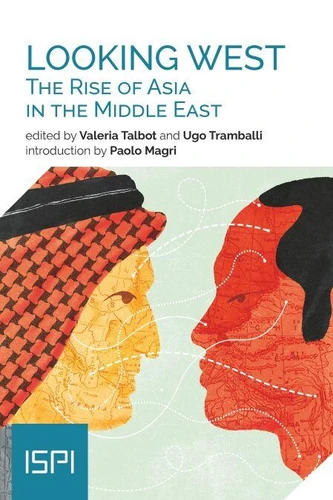
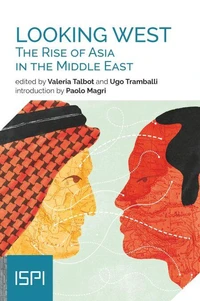
Looking West. The Rise of Asia in the Middle East
Par : ,Formats :
Disponible dans votre compte client Decitre ou Furet du Nord dès validation de votre commande. Le format ePub est :
- Compatible avec une lecture sur My Vivlio (smartphone, tablette, ordinateur)
- Compatible avec une lecture sur liseuses Vivlio
- Pour les liseuses autres que Vivlio, vous devez utiliser le logiciel Adobe Digital Edition. Non compatible avec la lecture sur les liseuses Kindle, Remarkable et Sony
 , qui est-ce ?
Notre partenaire de plateforme de lecture numérique où vous retrouverez l'ensemble de vos ebooks gratuitement
Pour en savoir plus sur nos ebooks, consultez notre aide en ligne ici
C'est si simple ! Lisez votre ebook avec l'app Vivlio sur votre tablette, mobile ou ordinateur :

- Nombre de pages147
- FormatePub
- ISBN978-88-5526-300-9
- EAN9788855263009
- Date de parution09/09/2020
- Protection num.Digital Watermarking
- Taille3 Mo
- Infos supplémentairesepub
- ÉditeurLedizioni
Résumé
As the world's economic and political centre of gravity moves increasingly towards East and South Asia, we can expect a number of countries in these regions to devote more attention to the Middle East. The relations between East and South Asia and the Middle East have significantly expanded as a result of the global rise of Asian economic powers, particularly China, India, Japan and South Korea. Not only oil but also trade, investment, infrastructure, and tourism is the name of the business with the MENA region.
Beyond energy and economic interests, questions arise about the potential geopolitical dimension of these evolving ties. What are the strategic implications of the projection of Asian countries in an unstable, fragmented and volatile region? How do they interact with each other and with other international players? Last but not least, will the Covid-19 pandemic be a game changer in (re)shaping relations in the future?
Beyond energy and economic interests, questions arise about the potential geopolitical dimension of these evolving ties. What are the strategic implications of the projection of Asian countries in an unstable, fragmented and volatile region? How do they interact with each other and with other international players? Last but not least, will the Covid-19 pandemic be a game changer in (re)shaping relations in the future?
A propos de Valeria Talbot
6,99 €